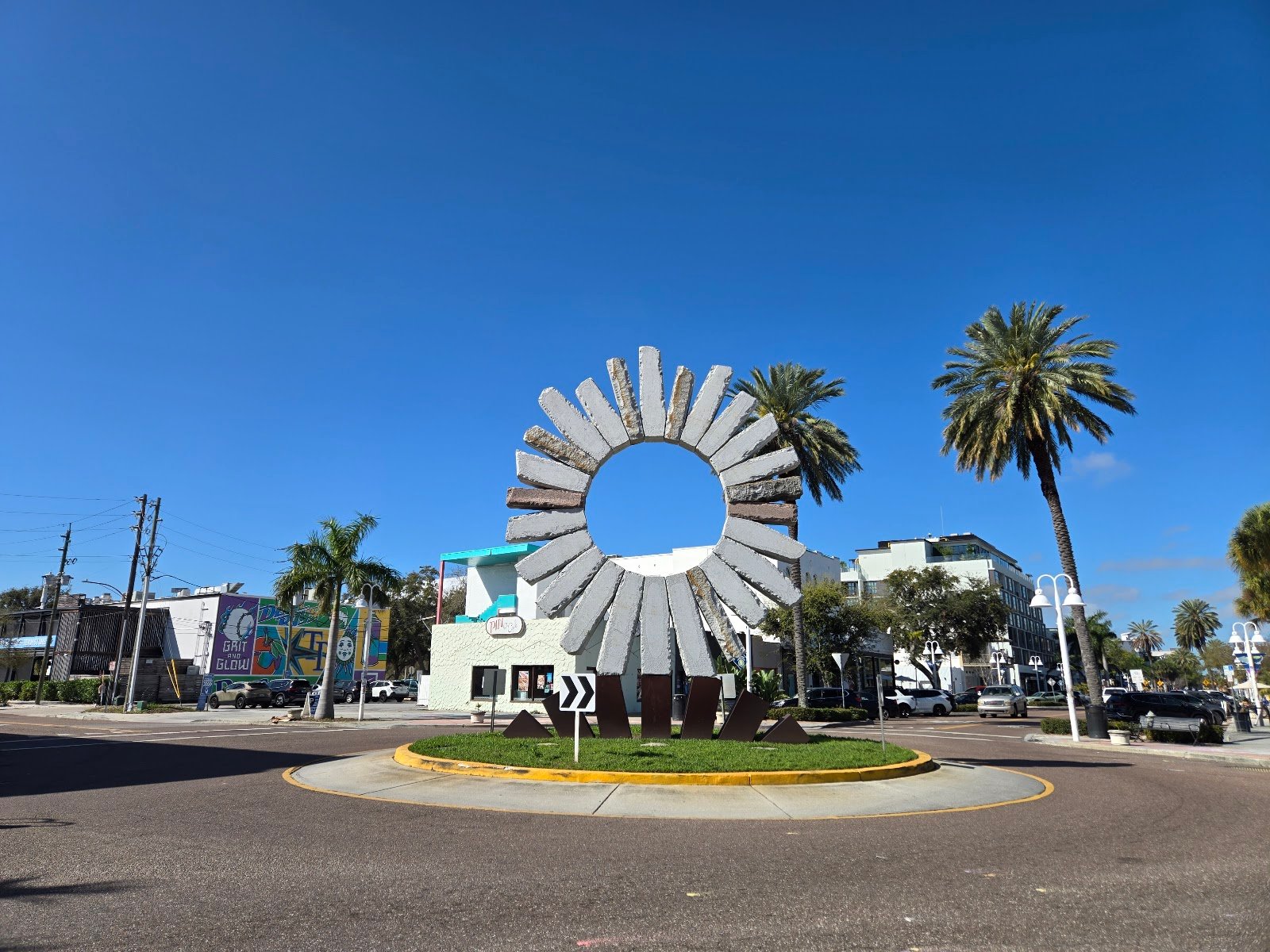
Walk west from the downtown waterfront on Central Avenue and somewhere around 16th Street the city changes register. The buildings drop to one and two stories, the awnings start advertising vinyl and vintage Levi's, and a four-story mural of a heron or a stag or a woman with butterflies for hair looms over a parking lot. This is Grand Central District, the stretch of Central Avenue running roughly from 16th to 31st Streets, and it is the part of St. Petersburg that has done the most to define what the city looks like on Instagram without ever quite tipping into theme-park territory.
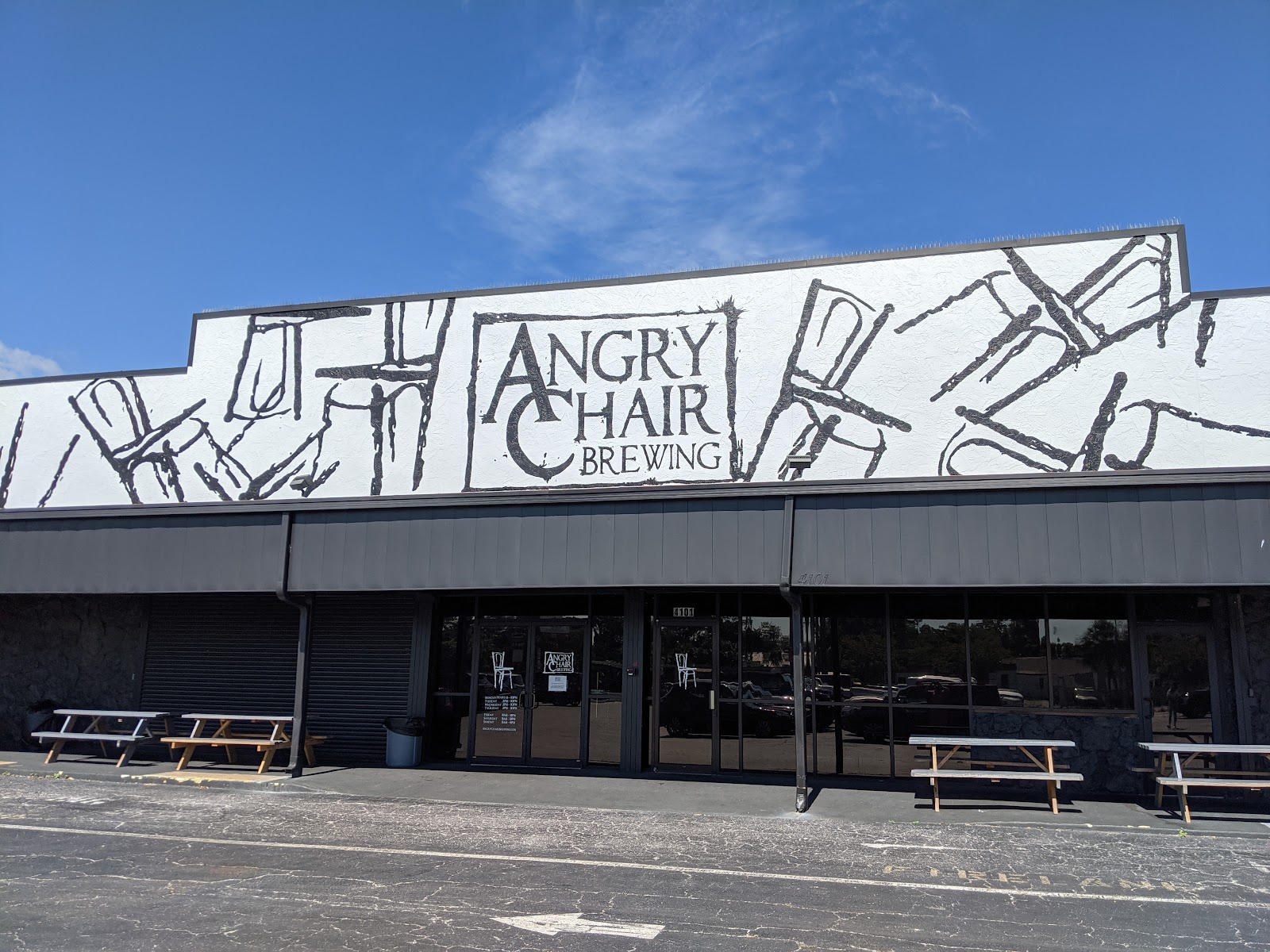
What keeps Grand Central honest is that the murals are bolted to working businesses — a tattoo parlor, a record store, a brewery taproom, a furniture refinisher — rather than a curated arts campus. The district sits a deliberate mile or two from the Dalí and the Museum of Fine Arts crowd, and the people walking it on a Saturday tend to live within a few blocks. That gives the strip a residential weight that the more polished downtown blocks have lost.
The lay of the land
Grand Central is linear by design. Central Avenue is the spine; the cross streets numbered in the high teens through low thirties carry most of the side traffic, and the district officially runs from roughly 16th Street North to 31st Street North. The southern edge bleeds into the Warehouse Arts District, a looser grid of industrial buildings between 22nd Street S and 31st Street S where the working studios, glassblowers, and large-format gallery spaces cluster. The northern edge fades into the Kenwood bungalow neighborhood, which is where most of the people staffing the shops actually live.
The bones here are old streetcar-suburb retail — the trolley ran down Central until the 1940s, and the storefronts still have the narrow footprints and high transom windows of that era. After decades as a tired commercial corridor, the district turned over in the 2000s and 2010s as artists priced out of downtown moved west, followed by the coffee roasters, the brewers, and eventually a wave of restaurateurs.
The vibe today is mixed-use in a way that feels lived-in rather than planned. Expect cracked sidewalks, the occasional empty lot, and a few blocks where the rehab clearly hasn't reached. That unevenness is part of why the district still feels like itself.
What to do
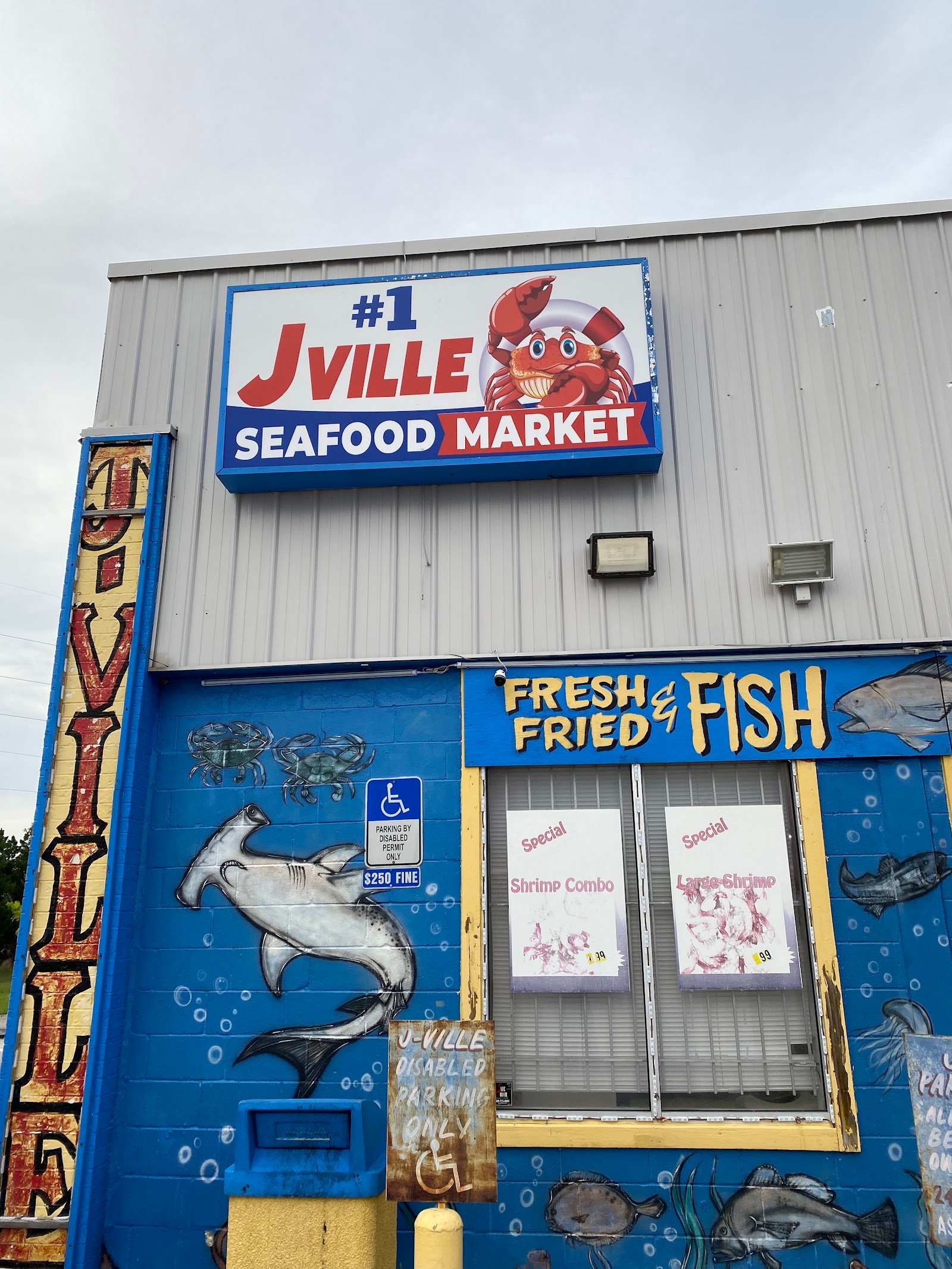
The murals. St. Pete's mural program has been running for over a decade and Grand Central holds the densest concentration of it. The walls turn over — pieces get refreshed every few years — but the corridor between roughly 22nd and 28th Streets is where you'll find the most ambitious large-format work, including pieces by internationally touring artists. The SHINE Mural Festival each fall adds new walls and is the single best week to see the program live.
The Warehouse Arts District. One block south of Central, between 22nd and 31st Streets South, the industrial buildings have been steadily converted into artist studios and exhibition spaces. The ArtsXchange complex anchors it, with working studios and rotating shows open to the public.
Vintage and antiques. Grand Central has the city's strongest concentration of vintage clothing, mid-century furniture, and record stores, mostly clustered in the middle blocks of the strip. Plan on browsing rather than hunting; the inventory turns over weekly and the prices reflect that dealers know what they have.
The architecture itself. Look up. The two-story commercial blocks along Central retain their 1920s parapets, terra-cotta detailing, and ghost-sign painting, and a few buildings have been restored carefully enough that the original signage is back in use.
Where to eat and drink
The coffee block sits in the middle of the strip, roughly between 24th and 28th Streets, where you'll find two or three serious third-wave roasters within a few minutes' walk of each other. Order an espresso and a pour-over from the same place to taste what they do; the staff will tell you which beans came in that week.
Breweries and taprooms cluster on the southern, warehouse side of the district, in the converted industrial spaces between Central and 5th Avenue South. This is where to drink at night — most have outdoor seating, food trucks, and the kind of capacity that absorbs a Saturday crowd without feeling packed.
Sit-down restaurants are spread along Central itself, with a denser cluster between 22nd and 27th Streets. The cooking leans toward modern American, Mexican, and Southeast Asian, with a few longer-running diners and Cuban counters mixed in. Reservations matter on Friday and Saturday after 7 p.m.; weeknights you can usually walk in.
Late-night is concentrated at the eastern end near 16th Street, where a handful of bars stay open past midnight. The middle of the strip goes quiet by 11.
How to get there
Driving is the default, and street parking on Central is metered with a two-hour cap during business hours. The free side streets fill up fast on weekends; the lot behind the 22nd Street block and the gravel lots scattered through the Warehouse Arts District are the reliable fallbacks. Plan to walk a few blocks from wherever you land.
The SunRunner bus rapid transit line runs the length of Central Avenue from downtown to St. Pete Beach and stops directly in the district every 15 minutes. It is the single best way in if you're staying anywhere along Central or near the Edge District. Ride-share is straightforward but surge prices climb after 10 p.m. on weekends. Cycling is pleasant on the side streets and miserable on Central itself, which has no protected lane.
When to go
Saturday afternoon is the obvious answer and also the most crowded; the shops are all open, the breweries fill up by 3, and parking gets ugly after noon. A better visit is Friday afternoon into early evening, when the same businesses are open but the crowd is lighter and you can actually get a table. Sunday is quieter still, though a few shops keep limited hours or close entirely.
Weekday mornings belong to the coffee shops and a handful of lunch spots; most of the vintage and gallery inventory is closed before noon Tuesday through Thursday. The first Saturday of each month brings the ArtWalk, when the Warehouse Arts District studios open their doors in the evening — worth timing a visit around if you can. Avoid the height of August afternoons; there is almost no shade on Central and the walk between blocks turns punishing.
If it's your first time
Park near 24th Street and Central, walk west to about 28th, then drop one block south and walk back east through the Warehouse Arts District. That two-block loop covers the densest run of murals, the coffee block, and the brewery cluster, and you can stretch it into a full afternoon by stopping at a vintage shop or two on the return leg.