Tampa's food reputation has been anchored to Seminole Heights for the last decade — and that reputation is earned. But Tampa is a bigger, more varied city than one neighborhood's craft beer and chef-driven dining scene, and the restaurants that define how Tampans actually eat are spread across Ybor City's brick streets, West Tampa's Cuban sandwich shops, SoHo's independent trattorias, and South Tampa's waterfront fish camps. This is the version of Tampa that predates the James Beard nominations, and in most cases it's still the more interesting one.
Ybor City: Tampa's Oldest Food District
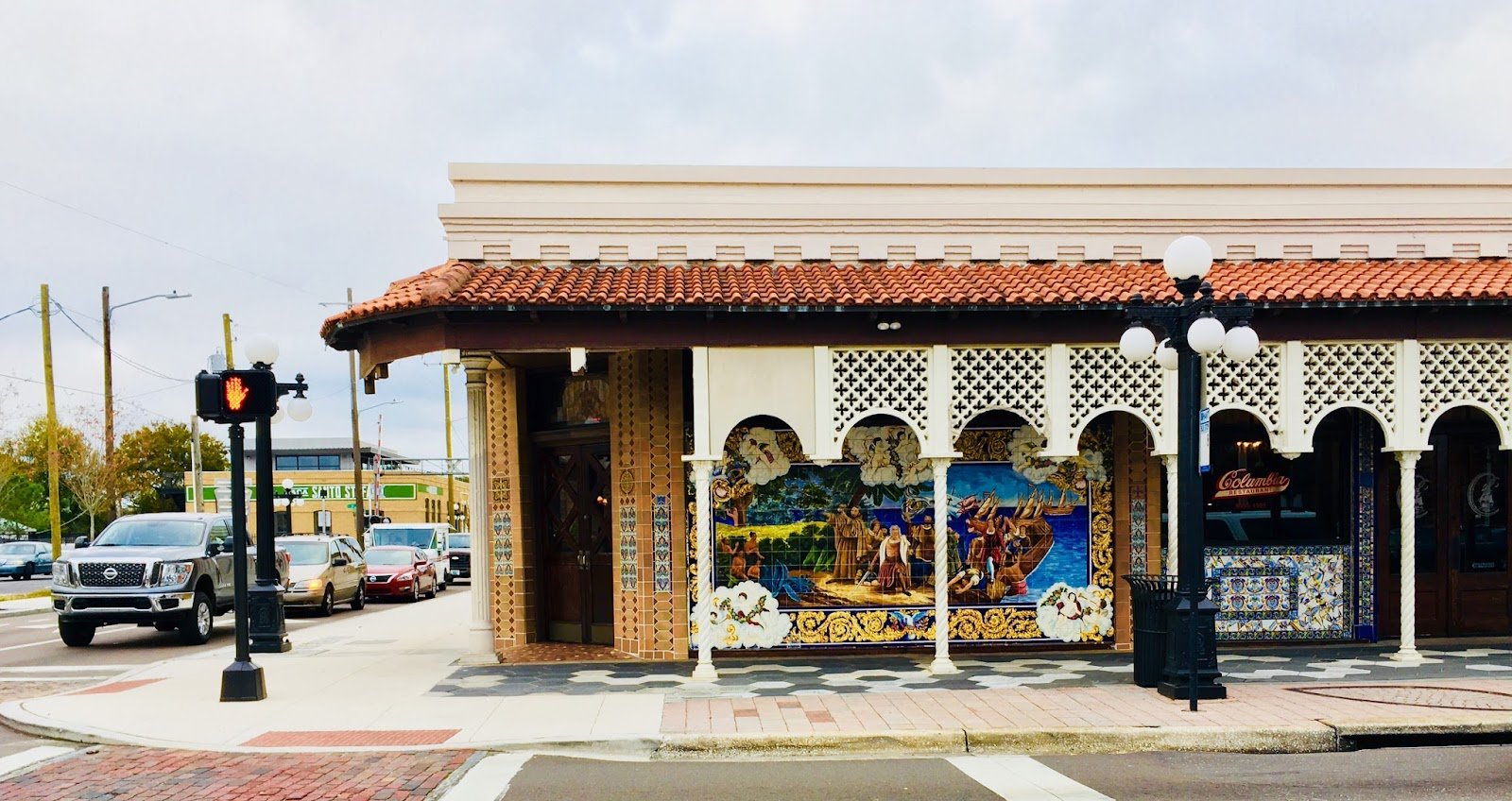
Ybor City was Tampa's culinary center before Tampa had a culinary scene, built around the Cuban and Spanish workers who came to roll cigars in the late 1800s. The food infrastructure they built — Cuban sandwiches, Spanish bean soup, café con leche at communal tables — is still intact and still worth eating. La Segunda Bakery is the origin point: the oldest bakery in Tampa, producing the Cuban bread that defines the city's sandwich culture from an operation that hasn't changed its methods because it doesn't need to. The pan cubano — airy, crackling crust, soft crumb — is available by the loaf and in sandwiches that set the standard for the form. Across the neighborhood, Columbia Restaurant is Florida's oldest continuously operating restaurant, serving Spanish-Cuban cuisine since 1905 in a dining room of hand-painted tiles and flamenco performances on weekend evenings. The 1905 salad, prepared tableside, is the house ritual worth doing at least once. Casa Santo Stefano handles Italian in a quieter Ybor setting that earns comparisons to the original in every way that matters, and La Terrazza matches it with Neapolitan technique in a room that takes the cuisine seriously. For tacos, Los Chapos does Mexican street food from a small storefront that has become one of the neighborhood's reliable everyday spots. For coffee in the neighborhood, Blind Tiger operates from a historic building on 7th Avenue with the kind of thoughtful espresso program that most Tampa neighborhoods are still waiting for.
Seminole Heights: The Chef's Neighborhood
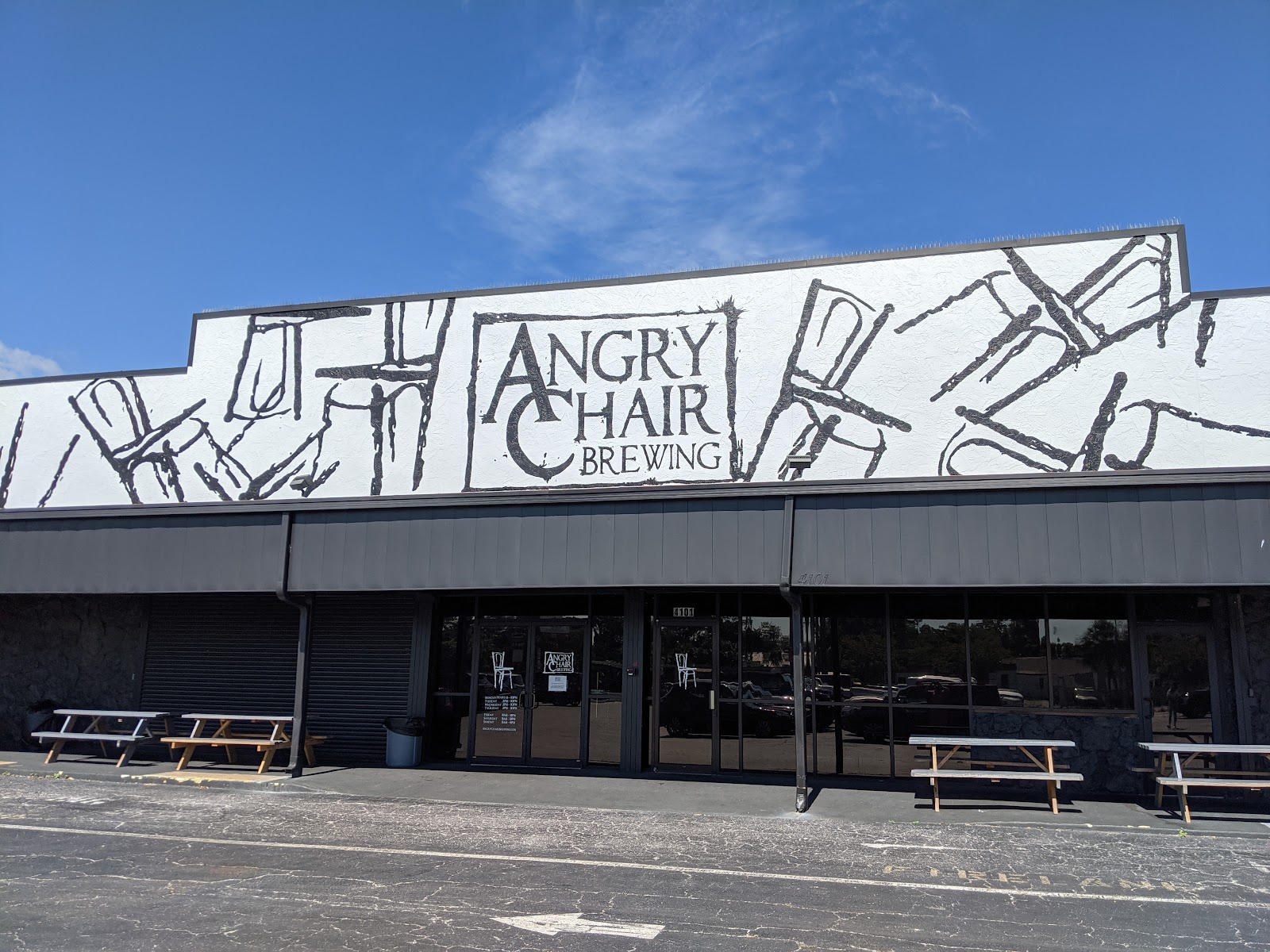
Seminole Heights is covered in depth in its own neighborhood guide and breweries article on this site — the full story of Florida Avenue's transformation is there. For the purposes of this guide: the key independent spots are Rooster & the Till, which remains Tampa's best farm-to-table dining and is worth the reservation difficulty; the four-brewery corridor along Florida Avenue (Angry Chair, Common Dialect, Florida Avenue Brewing, Brew Bus) that defines the neighborhood's drinking culture; Wicked Oak Barbeque for smoked meats done with genuine technique; and Café Quiquiriqui for the coffee program that launched the neighborhood's reputation for taking espresso seriously before it was a Tampa priority.
SoHo and Hyde Park: South Howard After Dark
South Howard Avenue — SoHo to everyone who lives near it — runs through Hyde Park with a concentration of independent restaurants that the neighborhood's reputation as a bar strip sometimes obscures. The Brother Trattoria is one of Tampa's best Italian restaurants: a small room in Palma Ceia that does handmade pasta, wood-fired preparations, and a Neapolitan sensibility without the formality of the Westshore hotel dining rooms. OLIVIA in Hyde Park proper matches it from a more contemporary angle — the menu changes with what the kitchen is interested in, which keeps the regulars returning. Green Lemon handles SoHo's Mexican demand with a seriousness about tequila and fresh preparations that most of the strip lacks. For coffee, Buddy Brew originated in Hyde Park and still runs its best operation here — the single-origin pour-overs and the cold brew have been setting the Tampa café standard for over a decade.
West Tampa: Where the Cuban Sandwich Was Perfected
West Tampa's claim on the Cuban sandwich is older and arguably stronger than Ybor City's — the neighborhood's Spanish and Cuban workers built the same food culture slightly to the west, and a few of the original institutions are still operating. La Teresita has been running on Columbus Drive since 1972 with a menu of Cuban standards (ropa vieja, pollo asado, Cuban sandwich, café con leche) that has not needed to adapt because the neighborhood still wants exactly this. The portions are honest, the prices are the ones that make you realize how much everything else has inflated. West Tampa Sandwich Shop and Brocato's Sandwich Shop compete for the neighborhood's Cuban sandwich crown with legitimate arguments on both sides — the West Tampa Sandwich Shop's version is slightly more traditional, Brocato's slightly more pressed. Worth trying both. Arco Iris, nearby, does Cuban-Chinese in a format that has nearly disappeared from Miami but persists in West Tampa: fried rice alongside picadillo, café con leche alongside egg rolls. An intersection of cuisines that shouldn't work and does entirely.
Tampa Heights: The Neighborhood That Arrived Quietly
Tampa Heights — just north of downtown, straddling the bridge to Ybor — has produced two of the city's best independent restaurants in the last several years without ever quite receiving the neighborhood-guide treatment. Rocca is the Italian restaurant that Tampa's serious food community uses as a benchmark: Northern Italian technique, handmade pasta, an approach to the menu that changes with what's good rather than what's consistent. Reservations disappear quickly and for good reason. Cafe Hey, a few blocks away, handles the neighborhood's coffee needs with a program that has attracted regulars from across the city — single-origins, careful technique, a space that works as well for a laptop afternoon as for a proper breakfast.
South Tampa and the Waterfront
Tampa's relationship with the water runs through South Tampa in ways that the Seminole Heights restaurant narrative doesn't always capture. Big Ray's Fish Camp at Ballast Point is the correct version of old-Florida waterfront dining: a fish shack on the bay serving grouper sandwiches, fried shrimp, and cold beer from a building that has survived multiple eras of Tampa real estate logic because it's irreplaceable. The outdoor seating and the bay views at sunset are the point. Salt Shack on the Bay operates on similar premises with slightly more polish — still peel-and-eat shrimp and Florida fish, still the Intracoastal as the primary attraction. For BBQ in South Tampa, BJ's Alabama BBQ has been smoking meats since 1951 with a consistency that outlasts every trend: pulled pork, smoked chicken, and cornbread in a counter-service format that the neighborhood has kept going for three generations.
Tampa's food geography rewards the driver. The neighborhoods above — Ybor City, West Tampa, SoHo, Tampa Heights, South Tampa's waterfront — represent decades of cooking that have nothing to do with the city's current restaurant buzz and everything to do with why people who grew up here never quite leave. Start with the La Segunda bread and go from there.
Common QuestionsFrequently asked
What are the best hidden restaurants in Tampa, Florida?
Where do Tampa locals actually eat?
What is Seminole Heights, Tampa known for?
Where can I find authentic Cuban food in Tampa?
What neighborhoods should I explore for food in Tampa?