Drive east on Colonial from downtown Orlando and somewhere around Mills Avenue the signage changes. English gives way to Vietnamese, the strip-mall vernacular shifts from chain pharmacies to family-run grocers, and the parking lots fill with people carrying takeout boxes of pho the size of small aquariums. This is Mills 50, the district that has been quietly feeding Orlando its best bowl of noodles for forty years, and which in the last decade has become the closest thing the city has to a proper food neighborhood.
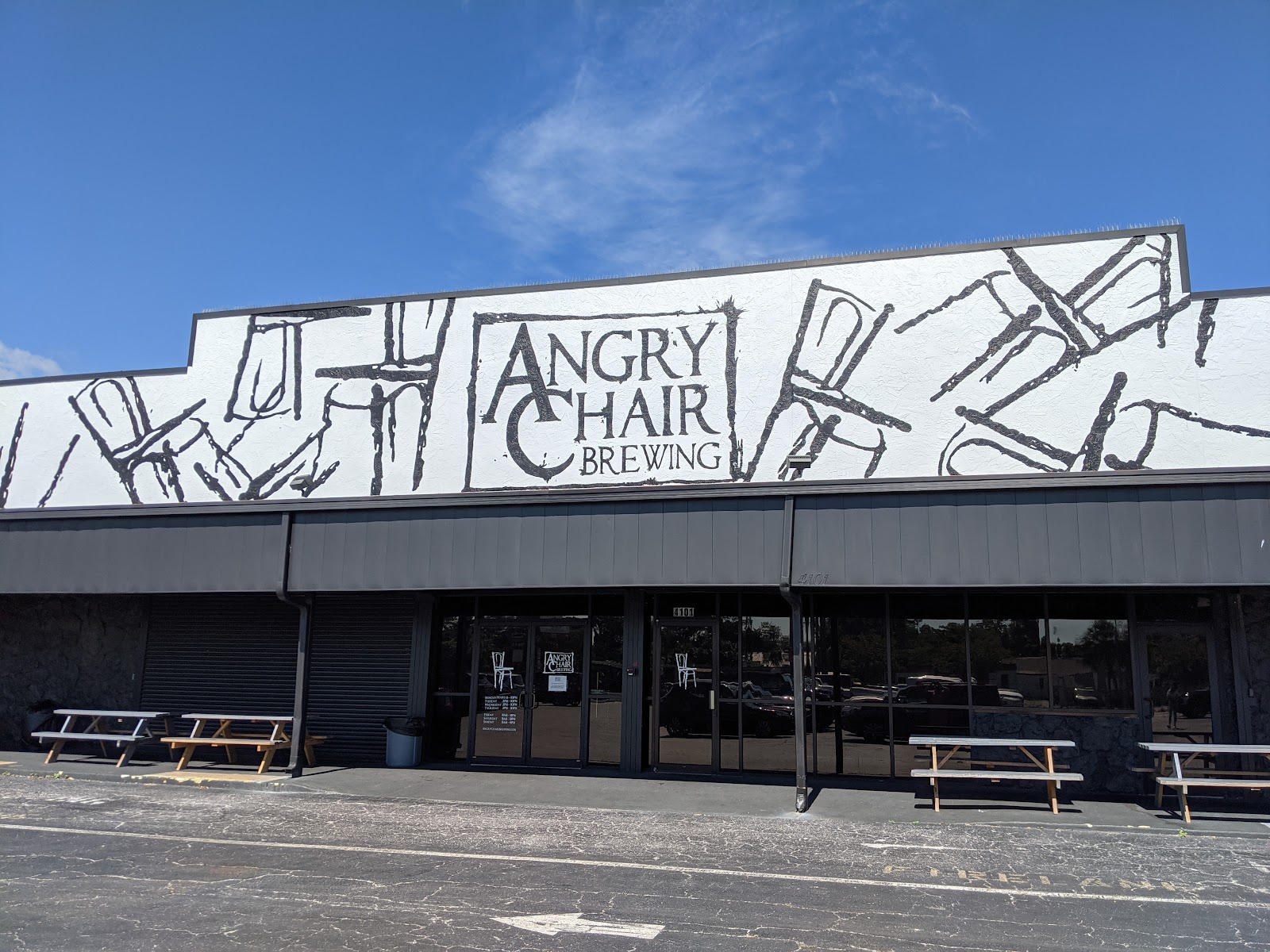
What makes Mills 50 distinct from the rest of Orlando is that it grew without a master plan. There is no convention bureau slogan stenciled on the sidewalks, no themed lighting scheme, no developer-led "experience district." It is a working commercial neighborhood that happens to contain the densest concentration of Vietnamese-American restaurants in the Southeast, layered with the bars, record shops, tattoo parlors, and murals that tend to follow cheap rent and a captive audience of people who came for the food and decided to stay for a drink.
The lay of the land
The district sits at the intersection of Mills Avenue (State Road 15) and Colonial Drive (State Road 50) — hence the name — roughly two miles northeast of downtown. The footprint runs along Mills from Virginia Drive south to Robinson Street, and along Colonial from Thornton Park east to Bumby. The core is the strip-mall stretch on either side of the Mills-and-50 intersection, but the residential blocks one street back, lined with bungalows and live oaks, are part of what makes the area feel inhabited rather than transient.
The Vietnamese-American community took root here in the late 1970s and early 1980s, when refugee families arrived in Orlando and began opening businesses in what was then a cheap, declining corridor. The neighborhood was formally branded as the Mills 50 Main Street District in 2008, which brought the public-art program, the wayfinding signs, and the annual events. Forty years of continuous family ownership is the reason the food scene has the depth it does — these are second- and third-generation kitchens, not pop-ups.
The vibe today is unpolished in a way Orlando rarely is. Sidewalks are uneven, some of the buildings are tired, and Colonial Drive is a six-lane state highway that does not pretend to be pedestrian-friendly. The reward for navigating it is a neighborhood that still belongs to the people who built it.
What to do
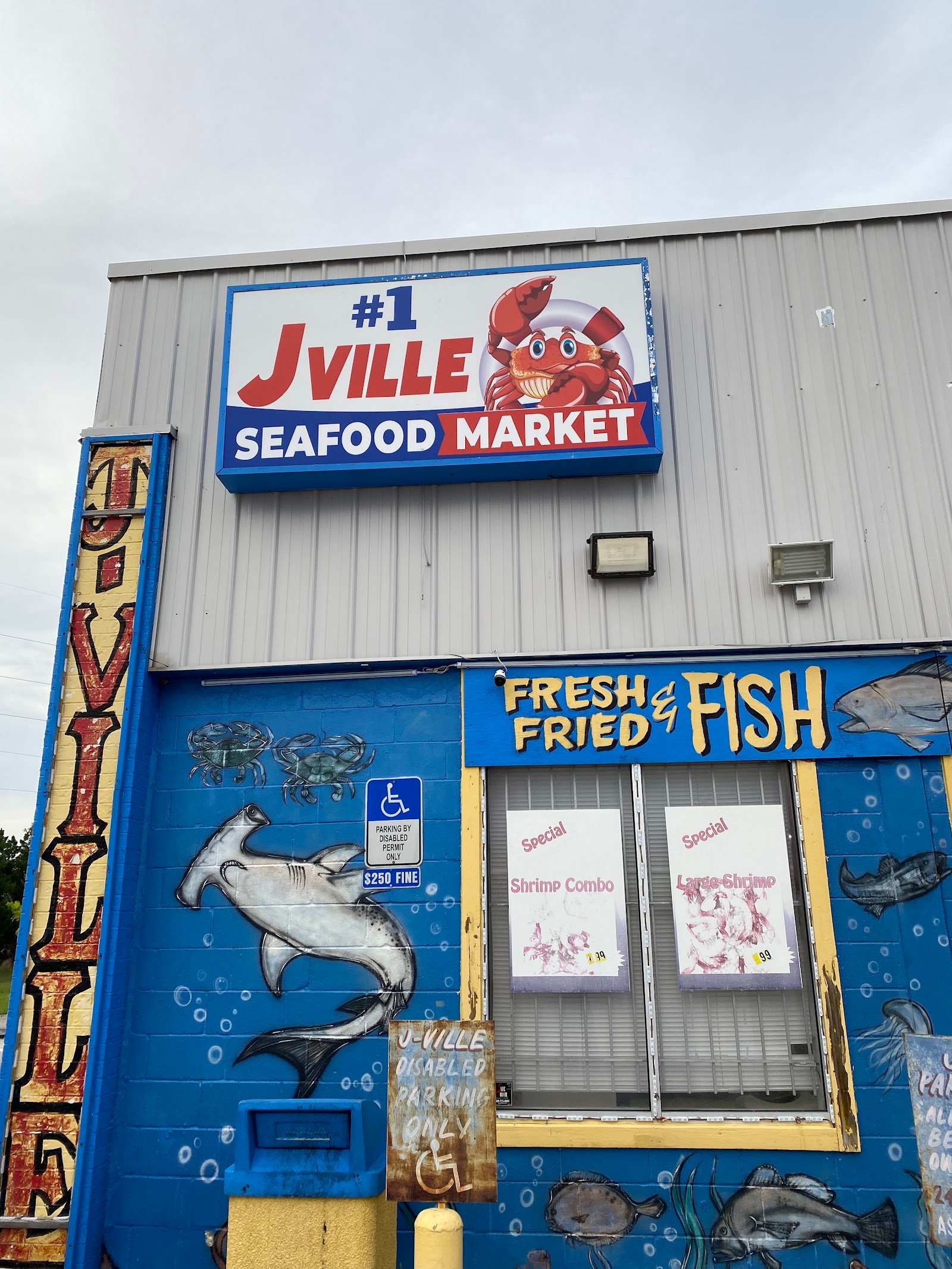
The mural program. Mills 50 commissions more public art per square block than anywhere else in Orlando. The walls along Shine Avenue, the alleys behind Mills, and the side of nearly every standalone building have been turned over to local and visiting muralists. Walking the side streets is the point — the best work is rarely on the main road.
The independent retail strip. A short walk from the central intersection puts you in front of a cluster of record stores, vintage shops, plant nurseries, and bookshops. This is also where Orlando's tattoo and barber culture concentrates, which gives the daytime sidewalk a different texture than the food-focused stretches.
Lake Highland and Lake Formosa. Two small urban lakes sit at the western edge of the district, both with walking paths and the kind of cypress-and-Spanish-moss frontage that makes central Florida look like itself. The Lake Highland loop is roughly a mile and connects back to the Mills strip without much fuss.
The Asian groceries. Even if you are not cooking, the larger Vietnamese supermarkets are worth a walkthrough for the prepared-food counters, the bakery cases, and the depth of the produce. They function as community anchors as much as retail.
Shine Mural Festival and the gallery hops. The district hosts an annual mural festival that brings in international artists, and several of the smaller galleries participate in Orlando's quarterly art walks. Check the Mills 50 district calendar before you go — the neighborhood is markedly different on event weekends.
Where to eat and drink
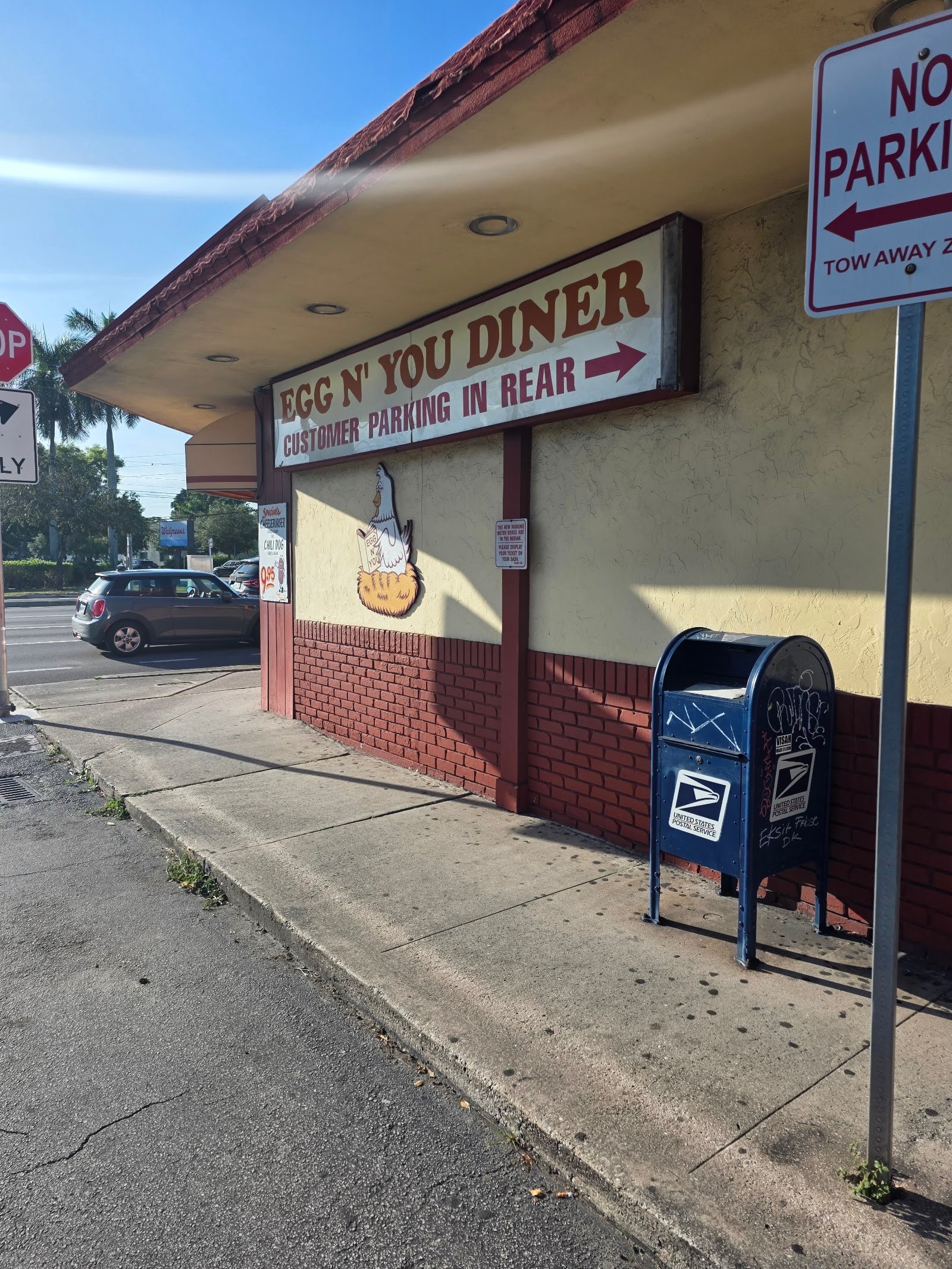
The pho-and-bánh-mì spine runs along Mills Avenue itself, north and south of the Colonial intersection. This is where the long-running family restaurants are, and where you go for a bowl of noodles at 11 a.m. on a Tuesday. The strip-mall format is the giveaway — the best kitchens here have been in the same plazas for decades and have no interest in changing the décor.
The newer sit-down restaurants have clustered on the Colonial Drive stretch east of Mills, where slightly larger floor plates allow for full bars and dinner service. This is the part of the neighborhood that has shifted most in the last five years, with second-generation operators opening modern Vietnamese, Thai, and pan-Asian concepts alongside the originals.
The coffee block sits on the residential edge near Virginia Drive, where two or three independent roasters and a Vietnamese-coffee specialist anchor a quieter morning crowd. This is the part of the district that fills up on weekend mornings.
For drinking at night, the warehouse-conversion side of the neighborhood — the blocks behind the Mills strip, off the main road — is where the cocktail bars, dive bars, and live-music rooms are. Most are within a five-minute walk of each other, which is unusual for Orlando.
How to get there
Mills 50 is a fifteen-minute drive from Orlando International, ten from downtown, and forty from the theme parks. Most visitors arrive by car, which is the honest answer — Lynx bus routes run along both Mills and Colonial, but headways are long and the stops are not pleasant. Parking is free and plentiful in the strip-mall lots, with the caveat that lots are signed per business and tow trucks here are active. If you are bar-hopping at night, park once at a public lot near Shine Avenue and walk.
Ride-share works well and is what most locals use after dark. The Urban Trail bike path skirts the western edge of the district and connects to downtown, which makes cycling a real option from Thornton Park or Ivanhoe Village.
When to go
Weekday lunch is when the food scene is at its best — kitchens are fully staffed, the office crowd from downtown fills the dining rooms, and you can get a table at restaurants that have an hour wait on Saturday night. Sunday brunch is the second-best window, particularly for the coffee block.
Avoid Friday and Saturday between 7 and 9 p.m. at the marquee restaurants unless you have a reservation or are happy to wait. The neighborhood also gets considerably busier during the mural festival and the food crawl events the district runs a few times a year, which is either the reason to go or the reason to stay home depending on what you want.
If it's your first time
Start at the Mills-and-Colonial intersection mid-morning, walk north on Mills for two blocks for coffee, then cut east through the side streets to see the murals on Shine Avenue. Loop back to Mills for a late lunch at one of the long-running pho counters, and finish with a beer or a Vietnamese iced coffee depending on the hour. Two hours, one mile, and you will understand why people in Orlando treat this neighborhood as the city's actual center of gravity.