The orange blossoms come in late February, and for about three weeks the side streets between Park Avenue and Lake Osceola smell like someone spilled a perfume counter into the humidity. That is the moment a lot of Orlando residents remember why Winter Park exists. The rest of the year it works quietly as the city's pressure valve: a one-square-mile pocket of brick sidewalks, Spanish moss, and Rollins College students cutting across Central Park on their way to a 9 a.m. seminar, all of it twenty minutes from the theme-park exits and emotionally on a different planet.
What Winter Park is not, despite the marketing, is a sleepy village. It is an affluent, walkable downtown with serious institutions — a Tiffany museum that punches above any town of its size, a liberal arts college on a lake, and a brunch corridor that locals plan their Saturdays around. The trick to enjoying it is understanding that the visitors who come for an hour see Park Avenue and leave; the people who actually live in Central Florida treat the whole grid behind it as the point.
The lay of the land
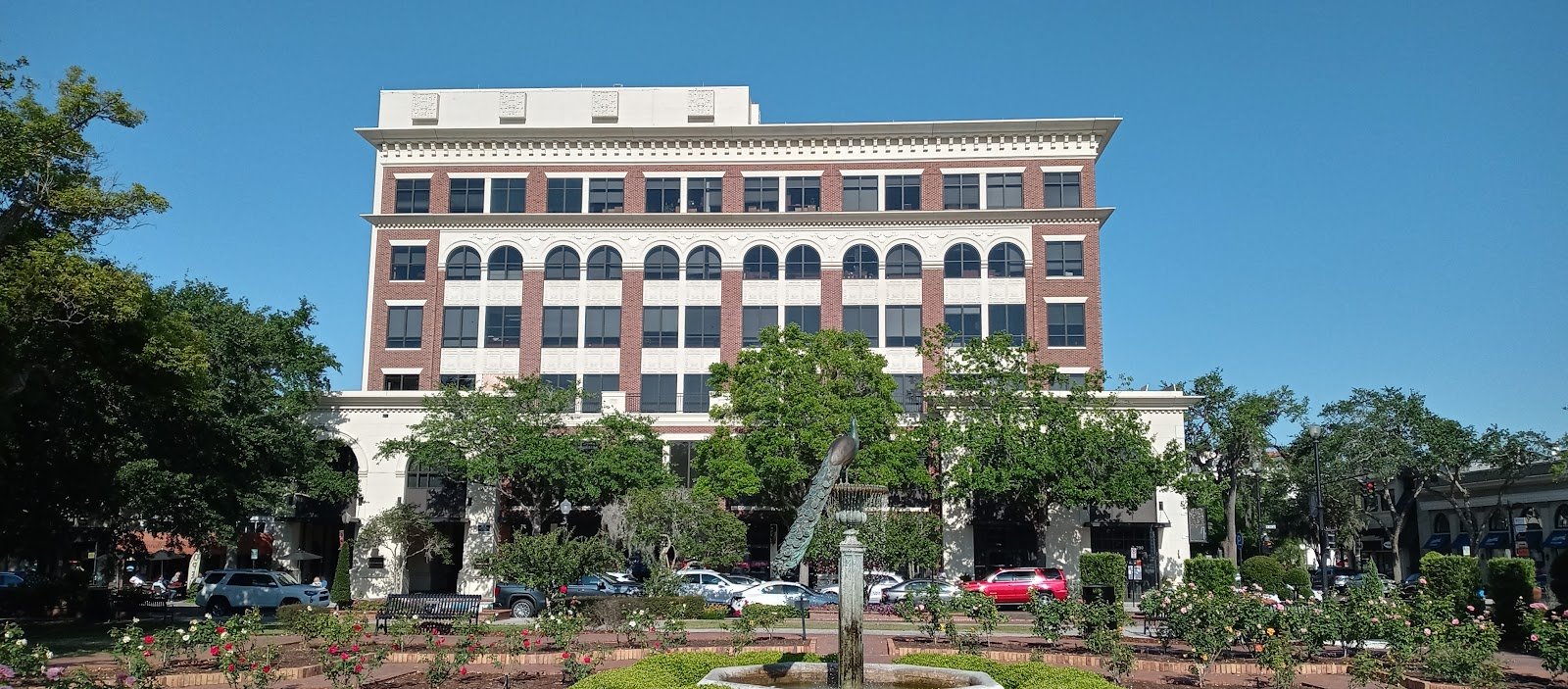
Park Avenue runs north-south for about nine blocks, with Central Park taking up the eastern side from Morse Boulevard to Garfield. The shops and restaurants face the park; the train tracks and SunRail station sit on the western edge. Cross those tracks and you are in Hannibal Square, the historically Black west side, which has been gentrifying steadily for the last fifteen years and now holds some of the more interesting independent businesses. South of the avenue, Rollins College wraps around Lake Virginia. North, the residential blocks toward Lake Osceola hold the bungalows and the occasional eyebrow-raising mansion.
The town was founded in the 1880s as a winter resort for Northerners with money, which explains the New England street names and the unusually old trees. The Morse family — yes, of telegraph fame — settled here and eventually bequeathed the Tiffany collection that anchors the cultural side of the town today. The vibe now is old-money-meets-college-town with a thick layer of weekend tourism on Saturdays.
Honest note: parking is genuinely hard, prices are not gentle, and the avenue itself can feel performative if you only walk the main strip. The reward is in the side streets.
What to do
The Charles Hosmer Morse Museum of American Art on Welbourne Avenue holds the most comprehensive Louis Comfort Tiffany collection on earth, including the reassembled chapel interior Tiffany built for the 1893 World's Columbian Exposition. It is a small museum that rewards a slow ninety minutes.
The Scenic Boat Tour launches from East Morse Boulevard and runs a roughly hour-long pontoon route through three of the Winter Park Chain of Lakes, threading the narrow canals the developers cut between them in the 1880s. It is the closest thing to a time machine the area has.
The Cornell Fine Arts Museum on the Rollins campus is free and routinely underestimated, with a permanent collection that spans Renaissance to contemporary and rotating exhibitions worth the detour through the quad.
The Albin Polasek Museum and Sculpture Gardens on Lake Osceola is the former home and studio of the Czech-American sculptor, and the lakefront garden is one of the better quiet spots in the metro area to sit for half an hour.
For a walk, the Winter Park Chain of Lakes loop along Genius Drive and Interlachen gives you the canopy roads and the lakefront houses without paying for a tour.
Where to eat and drink
The brunch corridor is the stretch of Park Avenue between Morse and Canton, where the sidewalk tables fill up by 10 a.m. on Saturdays and the wait at the better spots crosses an hour. If you want to skip the queue, the side streets one block east and west — particularly the New England Avenue stub and the Hannibal Square block of West New England — hold the operators who took the same training and opened on cheaper rent.
The coffee scene is concentrated on the southern end of the avenue near the Rollins gates and on the Hannibal Square side, where two of the more serious roasters in the metro area pull shots for a regular crowd of grad students and remote workers.
For dinner, the sit-down restaurants cluster on the avenue itself and along the Morse Boulevard cross street; the more interesting wine bars and small-plates spots have migrated to Hannibal Square in the last few years, where the warehouse-conversion architecture suits them better than the avenue's storefronts.
Late-night drinking is limited — this is not a bar town — but the cocktail rooms behind Park Avenue and on the Hannibal Square side stay open past midnight on weekends, and the Rollins-adjacent block keeps a couple of college-friendly options going.
How to get there
Driving from anywhere south or west is straightforward via I-4 to Fairbanks Avenue, then north on Park. The city garages on Morse and on New England are the only realistic options on a weekend; on-street parking is metered, enforced aggressively, and gone by 10 a.m. Saturday.
SunRail stops at the Winter Park station on the western edge of Park Avenue, which is the single best way to arrive if you are coming from downtown Orlando or the southern suburbs on a weekday — but the train does not run Sundays and has limited Saturday service, which makes it useless for the brunch crowd. Ride-share is reliable and usually the right call on weekend mornings.
When to go
Weekday mornings before 11 a.m. are the best version of Winter Park: the avenue is mostly residents and Rollins faculty, the museums are empty, and you can actually get a table. Saturday between 10 a.m. and 2 p.m. is the worst — every brunch spot has a wait, every parking garage is full, and the Farmers' Market at the old train depot doubles the foot traffic.
Sundays are quieter than Saturdays but a lot of the independent shops close early. The annual Winter Park Sidewalk Art Festival in mid-March is worth planning around if you like art fairs; it is worth actively avoiding if you do not, because the entire avenue shuts to cars and the crowds are serious. Summer afternoons mean reliable thunderstorms after 3 p.m., so front-load your day.
If it's your first time
Park in the Morse Boulevard garage, walk the east side of Park Avenue north to the Morse Museum, cut east on Welbourne to the lake, and come back south along Interlachen for the canopy and the water views. Two hours, one loop, and you will have seen the actual town rather than the postcard.