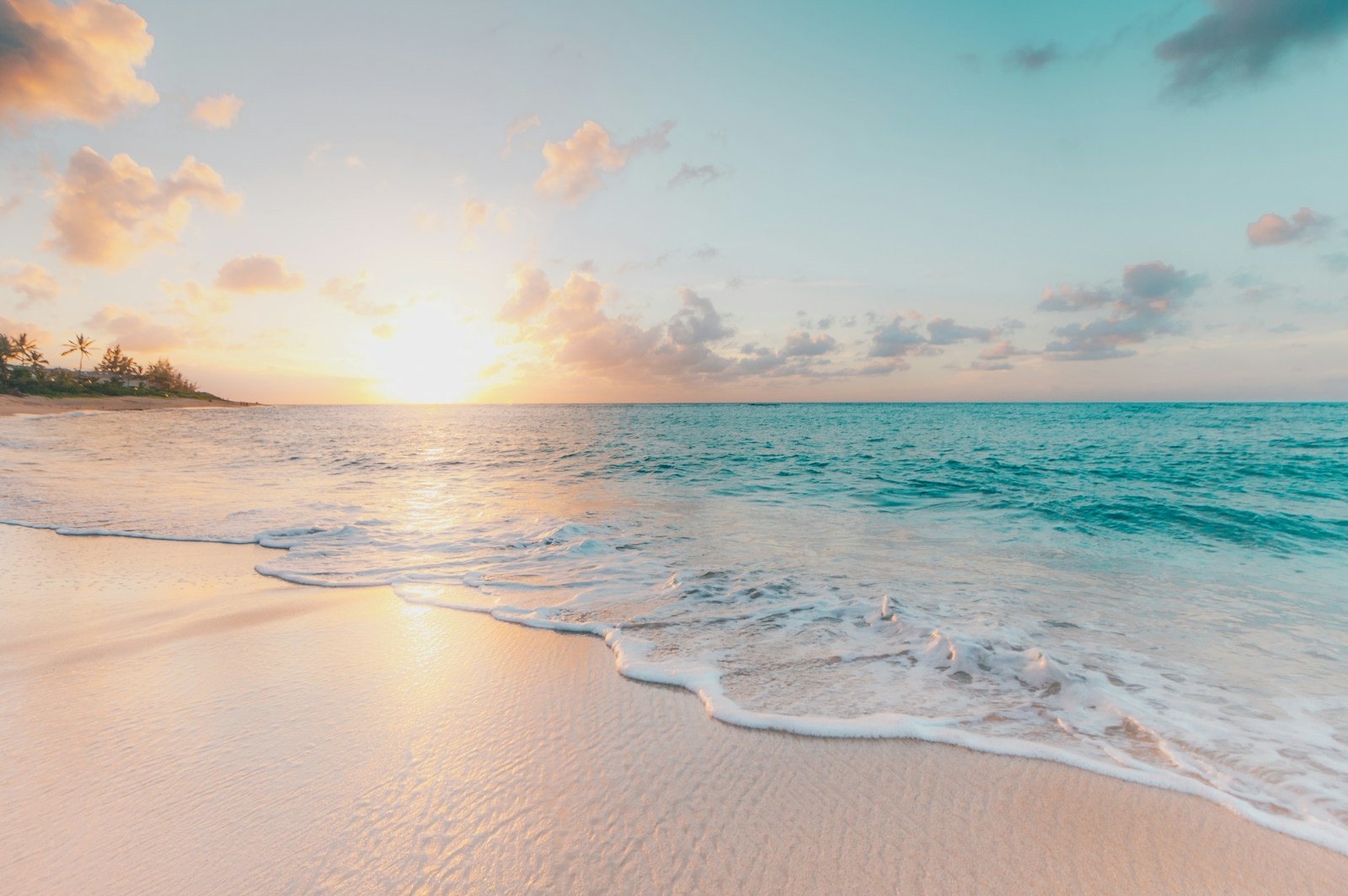
Florida's coastline runs roughly 1,350 miles, which is more than California's, and yet the popular imagination compresses it to about six places: Miami Beach, Key West, Destin, Clearwater, Daytona, and whatever stretch of the Panhandle is currently on a billboard in Atlanta. The other 1,200-odd miles are where people who actually live here go on long weekends.
Not South Beach. Not Destin. The smaller coastal towns where the parking is free, the seafood is from this morning, and most of the people you see live there.
What follows is a working list of ten towns worth the drive, organized by coast and then by mood. Some are sleepy fishing outposts; one is a barrier island still rebuilding from a 2022 hurricane; a couple are within ninety minutes of major airports but feel three hours further out. None of them have a Margaritaville.
The Forgotten Gulf: Big Bend and the Panhandle
The stretch from the Suwannee River down to Tampa Bay is the part of Florida that looks the way the rest of it looked in 1965. No high-rises, salt marsh instead of dune lines, oyster bars instead of beach clubs.
Cedar Key
An hour west of Gainesville, Cedar Key is a clam-farming town on a cluster of low islands at the end of State Road 24. The town does one thing better than anywhere else on the Gulf: it sells you a dozen clams that were in the water that morning and lets you eat them on a dock built over the same water. Tony's Seafood, which won the Great Chowder Cook-Off in Newport a few years running, is the standard order. The trade-off is that there is no real beach in town — you swim off the docks or kayak out to Atsena Otie Key — so come for the working-waterfront atmosphere, not for sand.
Apalachicola
Apalachicola sits at the mouth of its namesake river on the eastern edge of the Panhandle, about an hour and a half southwest of Tallahassee. The oyster fishery collapsed in 2012 and the bay is still closed to wild harvest in 2026, which has been quietly catastrophic for the town's identity, but the restaurants now run on farmed oysters from neighboring leases and the seafood is still the reason to drive over. The historic downtown is roughly six walkable blocks of brick storefronts, the Gibson Inn anchors the main intersection, and the Owl Cafe and Hole in the Wall are the long-running standbys. Skip it in August unless you tolerate humidity that feels editorial.
Cape San Blas
Twenty-five miles further down the coast, Cape San Blas is a thin curl of sand that juts west from the mainland near Port St. Joe. T.H. Stone Memorial St. Joseph Peninsula State Park, at the tip, costs around $6 per vehicle and has the cleanest, emptiest Gulf beach within a day's drive of Atlanta. Camping spots book out months ahead; day-trippers can park at the gulfside lots and walk over the dunes. The town itself is a thin scatter of beach rentals and one or two seafood shacks, which is the point.
The Suncoast Without the Crowds
Most travelers to the Tampa–Sarasota corridor end up on Siesta Key or Clearwater, where the parking fee is real and the towels touch. The barrier islands one over are noticeably calmer.
Anna Maria
Anna Maria Island sits at the south end of Tampa Bay, about an hour from Tampa International. The island is technically three towns; the city of Anna Maria, at the northern tip, is the one that has held its old Florida character — single-story cottages, a fishing pier at the end of Pine Avenue, a free trolley that runs the length of the island. Parking near the pier fills by 10 a.m. on weekends, so come early or come midweek. The Sandbar restaurant is the sunset reservation; the Donut Experiment on Pine is the morning one.
Indian Rocks Beach
Wedged between Clearwater and St. Pete Beach, Indian Rocks is the same Gulf water at half the density. It is residential, low-rise by ordinance, and the public beach access points are scattered every couple of blocks with small free lots that turn over quickly. Guppy's on the Beach is the local institution. The honest assessment: the sand is not as fine as Siesta Key's and the sunsets are not different from Clearwater's, but you can find a parking spot and you will not be standing in line for dinner.
Boca Grande
Boca Grande, on Gasparilla Island south of Sarasota, is a former phosphate-shipping village turned tarpon-fishing destination with a single causeway in and a $6 toll to use it. The historic downtown is four blocks of restored commercial buildings around the Gasparilla Inn, which has been operating since 1913. The beach is wide, the bike paths run the length of the island on the old rail bed, and there is no chain anything. The trade-off is the cost — restaurants and rentals are priced for the New England families who summer here — and the seasonality. May through July, when tarpon fishing peaks in Boca Grande Pass, is when the town is fully awake.
The Atlantic Side, Which Locals Forget Exists
Florida's east coast gets typecast as either Miami or spring break, which leaves a long quiet middle stretch between Daytona and West Palm that almost nobody from out of state visits on purpose.
Cocoa Beach, off-season
Cocoa Beach in March or in October is a different town than Cocoa Beach in June. The surf is small and consistent, the Ron Jon parking lot has empty spaces, and the pier restaurants are not on a two-hour wait. Forty-five minutes from Orlando, it functions as a decompression chamber for anyone who has just spent three days at a theme park. The honest read: the beach itself is wide and brown-sugar colored rather than white, and the town is unfussy in a way that reads as charming or as tired depending on your tolerance. Time it to a Cape Canaveral launch if you can — the public viewing from the pier is free and surprisingly close.
Vero Beach
Vero is about two hours north of Miami and reads more like Nantucket than Florida — old money, oak-lined streets, a small downtown with a real bookstore. The beach is narrow but the sand is fine and the Atlantic here is clear enough in summer that you can see your feet in waist-deep water, which is not always true further south. Ocean Grill, on the dunes since 1941, is the dinner reservation. McKee Botanical Garden, on US-1, is worth an hour if the weather turns.
Stuart
Twenty miles south of Vero, Stuart sits where the St. Lucie River meets the Indian River Lagoon, and its identity is more river-town than beach-town. The historic downtown along Osceola Street is genuinely walkable, the sailfish-fishing fleet is still active, and the beaches on Hutchinson Island ten minutes east are uncrowded on weekdays. Bathtub Reef Beach, at the south end of the island, has a natural rock formation that creates a shallow protected pool — the only spot of its kind on the Treasure Coast.
A Note on Sanibel
Sanibel
Sanibel deserves its own paragraph because it is not the same island it was before Hurricane Ian hit in September 2022. The causeway reopened within months, but the recovery of the residential and commercial fabric has been uneven, and as of 2026 some restaurants and rentals are still operating from temporary structures or have not returned at all. The shelling — the thing Sanibel has always done better than any other Florida beach — is, if anything, more productive in the post-storm years; the beaches were reshaped and the offshore beds churned. J.N. "Ding" Darling National Wildlife Refuge is open, with the standard $10 vehicle fee, and the Wildlife Drive is back to its usual roseate-spoonbill-and-alligator rhythm. Go now, with the understanding that you are visiting a place mid-rebuild, and tip generously.
One more thing
The window that matters on the Gulf is roughly mid-March through May and then again from mid-October into early December. Summer is hot and wet and the afternoon thunderstorms are non-negotiable; the so-called shoulder months are when the water is still warm, the no-see-ums are manageable, and the rentals are half what they cost in February. If you have a choice, go in November. Bring a long-sleeve sun shirt rather than sunscreen for the all-day boat outings, cash for the bait shops and the older oyster bars, and a tolerance for the fact that the best places do not have websites and do not answer the phone before 10.