By the third afternoon, the bass from the Main Stage is doing something to the asphalt on Biscayne Boulevard that you can feel through your shoes a block away. The kids in chrome cowboy hats are sitting on planters drinking electrolyte water. Someone's argument with a rideshare driver echoes off the Hyatt. This is Ultra in its natural state — less a festival than a three-day weather system that parks itself over downtown Miami the last weekend of March and refuses to leave.
The 2027 edition lands in a Miami that has spent the last few years rebuilding itself around exactly this kind of weekend. Bayfront Park has been refined since the post-pandemic returns, the surrounding hotels know the drill, and the lineup announcements have leaned harder into the live-hybrid acts that have defined EDM's second decade. If you've been on the fence since the early 2020s, this is the year the production-to-chaos ratio finally tilts back toward production.
What it is
Ultra Music Festival began in 1999 as a one-day beach party tied to the Winter Music Conference and grew into the flagship EDM event on the global calendar. It runs Friday through Sunday at Bayfront Park during Miami Music Week, the industry-and-tourist convergence that takes over the city's clubs, rooftops, and pool decks for roughly ten days. Attendance hovers around 165,000 across the weekend, drawn from every continent. The lineup leans big-room house, techno, trance, and bass, with a Resistance stage that tends to host the most respected programming on the grounds.
It is expensive, it is crowded, and the hype outpaces the substance roughly a third of the time. The Main Stage is built for spectacle more than musicality, and a meaningful chunk of the audience is there to be photographed. The flip side is that the depth-of-field acts — the underground techno bookings, the Worldwide Stage curations, the occasional surprise b2b — deliver the kind of sets you cannot replicate anywhere else in North America. You come for the scale and stay for the ten percent that justifies it.
When and where
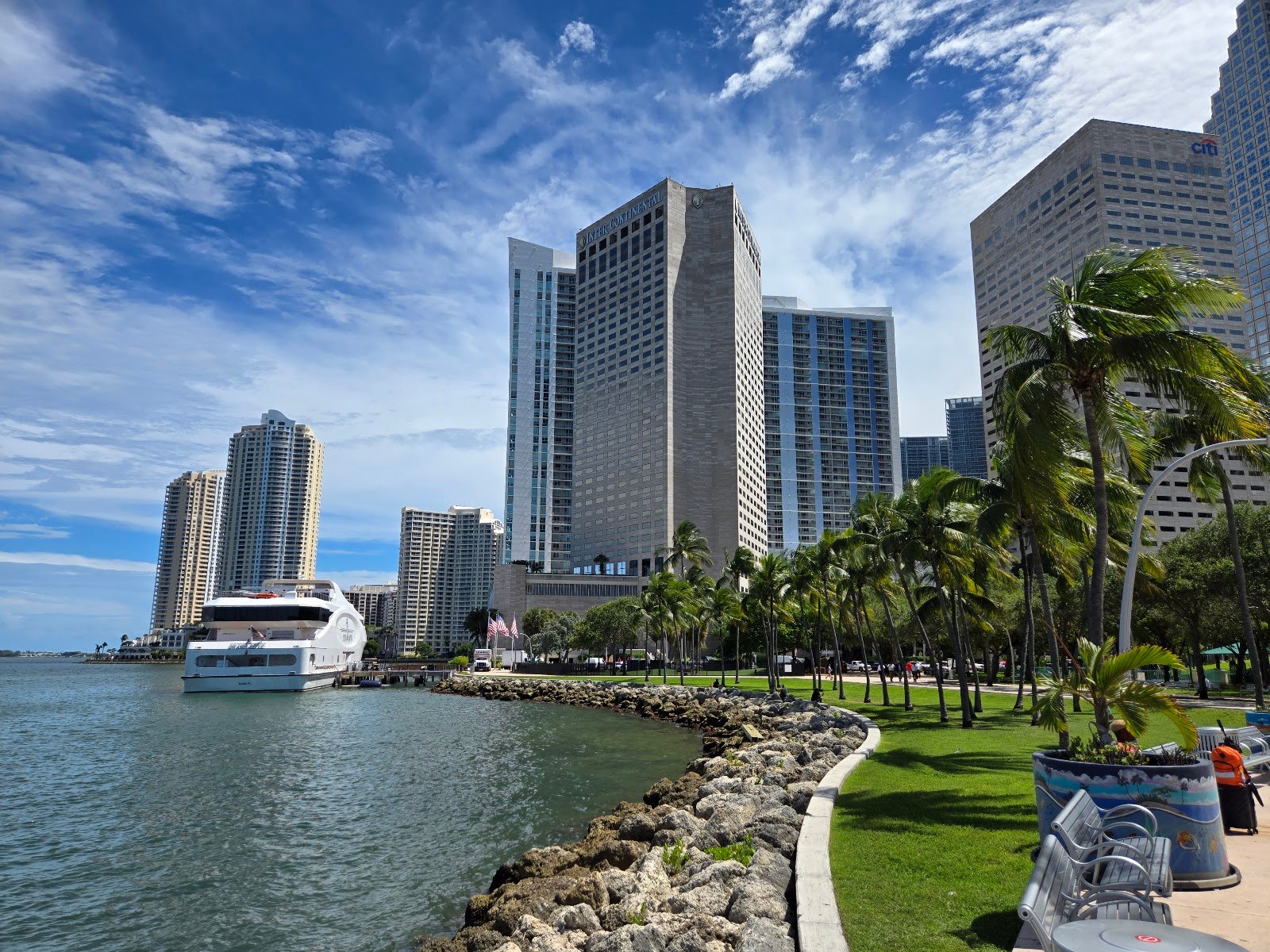
Ultra 2027 is scheduled for the last weekend of March at Bayfront Park in downtown Miami. Exact dates TBD pending the official 2027 announcement. The festival footprint swallows the park itself and pushes into the adjacent stretch of Biscayne Boulevard, with rolling closures from roughly Flagler to NE 6th Street across the weekend. Brickell, downtown, and the eastern edge of the arts district absorb the foot traffic. Miami Music Week programming spills into Wynwood, the Design District, and South Beach, which is where the satellite economy of pool parties and warehouse shows lives.
Getting there
Driving in is a losing proposition. The garages within walking distance — Miami World Center, the Whole Foods structure, the Met Square decks — fill before noon on Friday and charge event pricing all weekend. The smarter move is Brightline into MiamiCentral and a six-minute walk south, or Metromover from a Brickell or Omni hotel, which keeps you out of the rideshare scrum entirely.
If you must use Uber or Lyft, the official drop-off pivots year to year but has lived recently on the Biscayne side near the AmericanAirlines Arena. Set your pin to the published zone, not the venue address, and expect a fifteen-minute walk after pickup at night. Heading back to a Brickell hotel post-set is faster on foot than waiting for a car.
Where to eat
The food situation around Bayfront is better than it looks from inside the gates. The Brickell side — particularly the stretch around Mary Brickell Village and the Miami River — handles the pre-festival rush well and stays open late for the post-set crowd. Downtown proper, the blocks around Flagler have rebuilt a respectable lunch scene that absorbs the day-drinkers without losing its weekday character.
For anything resembling a real meal, push north into Wynwood or east to South Beach's quieter cross streets off Washington. The chain-heavy strip directly facing the park is the worst option in a two-mile radius and exists almost entirely to capture festival traffic.
What locals actually do
Locals treat Ultra weekend as a city-wide event, not a festival ticket. The people who live here and care about the music skip the Main Stage entirely on Saturday afternoon, when the sun is at its worst and the programming is at its softest, and arrive at gates around four for the Resistance and Worldwide schedules. They eat dinner in Brickell at five-thirty, not nine.
The other open secret is that the best sets of Miami Music Week often happen off-grounds. The afterhours bookings in Wynwood and the boat parties along the Miami River regularly out-program the festival itself, and a single-day Ultra ticket plus two well-chosen Music Week passes can beat a three-day wristband on substance. Locals also know to leave on foot during the Sunday-night exodus and call a car from Brickell, not from the venue.
If it's your first time
Wear closed-toe shoes you do not love, bring a sealed water bottle (refill stations are inside), and put sunscreen on parts of yourself you would not normally consider. Arrive at gates by two for the festival you paid for, or by five for the festival worth watching. Pace the weekend like a marathon — Sunday is the deepest lineup, and the people who treat Friday as their peak are not the ones still standing for the closing set.
Where to eat in Miami
Reading a guide is one thing; pairing it with a meal makes the trip. Here are a few hand-picked spots in Miami our editors send people to first.
- Yes Chef 305 — Midtown · Mexican Restaurants · ★ 5.0
- ConSentido Miami — Brickell · Asian Restaurants · ★ 4.8
- Lady Savage Tacos — Wynwood · Mexican Restaurants · ★ 5.0
- Taqueria Las Michoacanas 2 — Little Havana · Mexican Restaurants · ★ 5.0