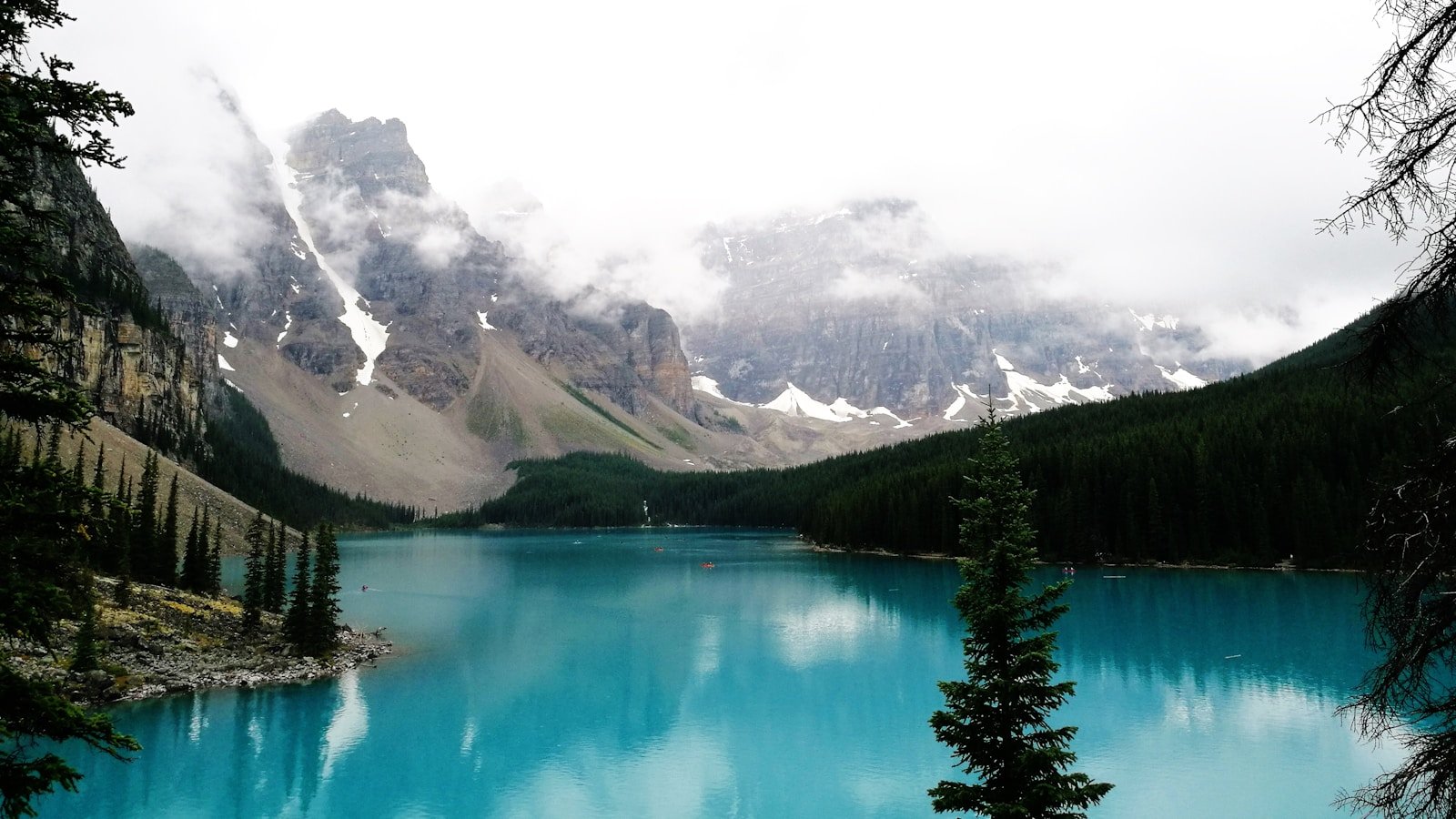
Florida has 175 state parks. These ten are the ones a first-time visitor should actually drive to — for the springs, the shorelines, the live oak hammocks.
The state park system here predates Disney by three decades, and it shows. The Civilian Conservation Corps built the bones of places like Hillsborough River and Myakka in the 1930s, planting the cypress boardwalks and limestone bathhouses that are still doing the work today. What gets lost in the theme-park gravity is that Florida's actual landscape — the spring runs, the barrier-island dunes, the sand pine scrub — is almost entirely accessible through this network, often for the price of a sandwich.
The catch is that 175 parks is too many to sort through on a first trip, and the marquee names aren't always the right call. What follows is a regional cut: the ten parks worth the drive if you've never done this before, organized by where they sit on the map.
The Panhandle and Big Bend
Wakulla Springs. About 25 minutes south of Tallahassee, Wakulla is one of the largest and deepest freshwater springs on the planet, and the only way to see the back end of it is the park-run riverboat tour. Manatees in winter, alligators sunning on the banks, anhingas drying their wings on cypress knees — the guides have been narrating the same route for decades and they are unhurried about it. Entrance is around $6 per vehicle; the boat tour is extra and worth it. Skip the swimming area on summer weekends when the diving platform turns into a queue.
Falling Waters. Yes, there is a waterfall in Florida. It is 73 feet tall, it drops into a cylindrical limestone sinkhole near Chipley, and it only runs after sustained rain — show up in a dry April and you'll find a damp wall. The park itself is small, with a short boardwalk loop and a swimming lake that locals from Marianna treat as a neighborhood pool. Around $5 per vehicle. Worth pairing with a stop at Florence Marina or Holmes Creek if you've driven this far into the Panhandle interior.
St. Joseph Peninsula. A nine-mile barrier spit jutting north into the Gulf from Cape San Blas, about 90 minutes east of Panama City. The Gulf-side beach is white quartz sand with genuinely empty stretches once you walk past the day-use lot, and the bay side is shallow enough for kayaking with rays and small sharks. Around $6 per vehicle. The peninsula took a direct hit from Hurricane Michael in 2018 and is still missing some of its pine canopy, which is part of why the dune crossings feel exposed; bring more water than you think.
The North Florida springs belt
Ichetucknee Springs. Forty-five minutes northwest of Gainesville, the Ichetucknee is the tubing river — a six-mile spring run that holds 72 degrees year-round and moves at a pace that requires no paddling. From late May through Labor Day the park runs a shuttle and caps tube traffic at the north entrance; outside those months you can still snorkel the headspring or paddle a clear kayak. Around $6 per vehicle, plus a tube rental fee from outfitters on the road in. Go on a weekday in early June before college groups discover it, or wait until October when the cypress turns rust-colored along the banks.
The Tampa Bay and Sun Coast cluster
Hillsborough River. Twenty minutes northeast of downtown Tampa, this is the CCC park most people drive past on their way to somewhere else, which is a mistake. The river runs over a set of Class II rapids — actual whitewater in peninsular Florida, which exists because of a limestone shelf — and the suspension bridge over the run is from 1937. Around $6 per vehicle. The campground is well-shaded and books out months ahead for cool-season weekends; day use is the easier play.
Honeymoon Island. The most-visited park in the state for a reason: it's a barrier island with four miles of Gulf beach, reachable by a causeway from Dunedin, no ferry required. Osprey nests line the pine flatwoods on the north loop trail, and the passenger ferry to undeveloped Caladesi Island leaves from the south end. Around $8 per vehicle. The honest read is that the south beach parking lot fills by 10 a.m. on weekends from March through May; come at opening or after 3 p.m., or come in February when the locals have it back.
Myakka River. Forty-five minutes south of Sarasota and one of the largest parks in the system, Myakka is where you go to understand what Florida looked like before subdivisions. Twelve miles of wet prairie and palm hammock, a canopy walkway 25 feet up in the live oaks, and an alligator population on the lower lake that does not require effort to find. Around $6 per vehicle. The airboat tour is fine but the better move is the walking loop at the weir at dawn. Avoid July and August unless you have a real tolerance for mosquitoes.
Lovers Key. Between Fort Myers Beach and Bonita Springs, Lovers Key is a chain of barrier islands that for years was reachable only by boat — the bridges came later, which is why the beach still feels like the back end of something. Bottlenose dolphins work the pass off the south end with reliability, and the manatee viewing platform on Estero Bay is a quieter alternative to the better-known winter spots. Around $8 per vehicle. The recent visitor center is genuinely useful, which is not always true of newer park infrastructure.
The Atlantic coast and the Keys
Anastasia. Across the Bridge of Lions from downtown St. Augustine, Anastasia covers four miles of Atlantic beach plus a tidal salt marsh that backs into the old coquina quarry — the same coquina that built the Castillo de San Marcos in the 17th century, dug right here. You can drive onto a stretch of the beach, which is either appealing or appalling depending on your priors. Around $8 per vehicle. Pair it with a morning in the historic district and you've justified the trip; treating it as a standalone destination undersells what's around it.
Bahia Honda. Mile marker 37 in the Lower Keys, about two and a half hours south of Miami. The Calusa and Sandspur beaches are the closest thing in the continental US to Caribbean water — a function of the offshore reef, the lack of river outflow, and the sand grain size — and the old Flagler rail bridge frames the view from the south end. Around $8 per vehicle. The truthful caveat: hurricane damage and shifting sand have closed Sandspur intermittently in recent years, and the park's reef snorkel concession runs on a schedule that does not always match what's posted online. Call the day before.
One more thing
If you're going to visit more than three of these in a calendar year, the annual Florida State Parks pass pays for itself fast — it runs around $60 for an individual and covers entry at all 175 parks for the holder and passengers. Buy it at the first gate you stop at. Beyond the math, the better reason to plan ahead is that the most rewarding parks in this state are the ones you visit at the wrong time of day for the average tourist: the springs at 9 a.m. in February, the Gulf beaches an hour before sunset in October, the river hammocks in the half-hour after a summer thunderstorm clears. The parks haven't changed much in 90 years. The trick is showing up when the crowd hasn't.