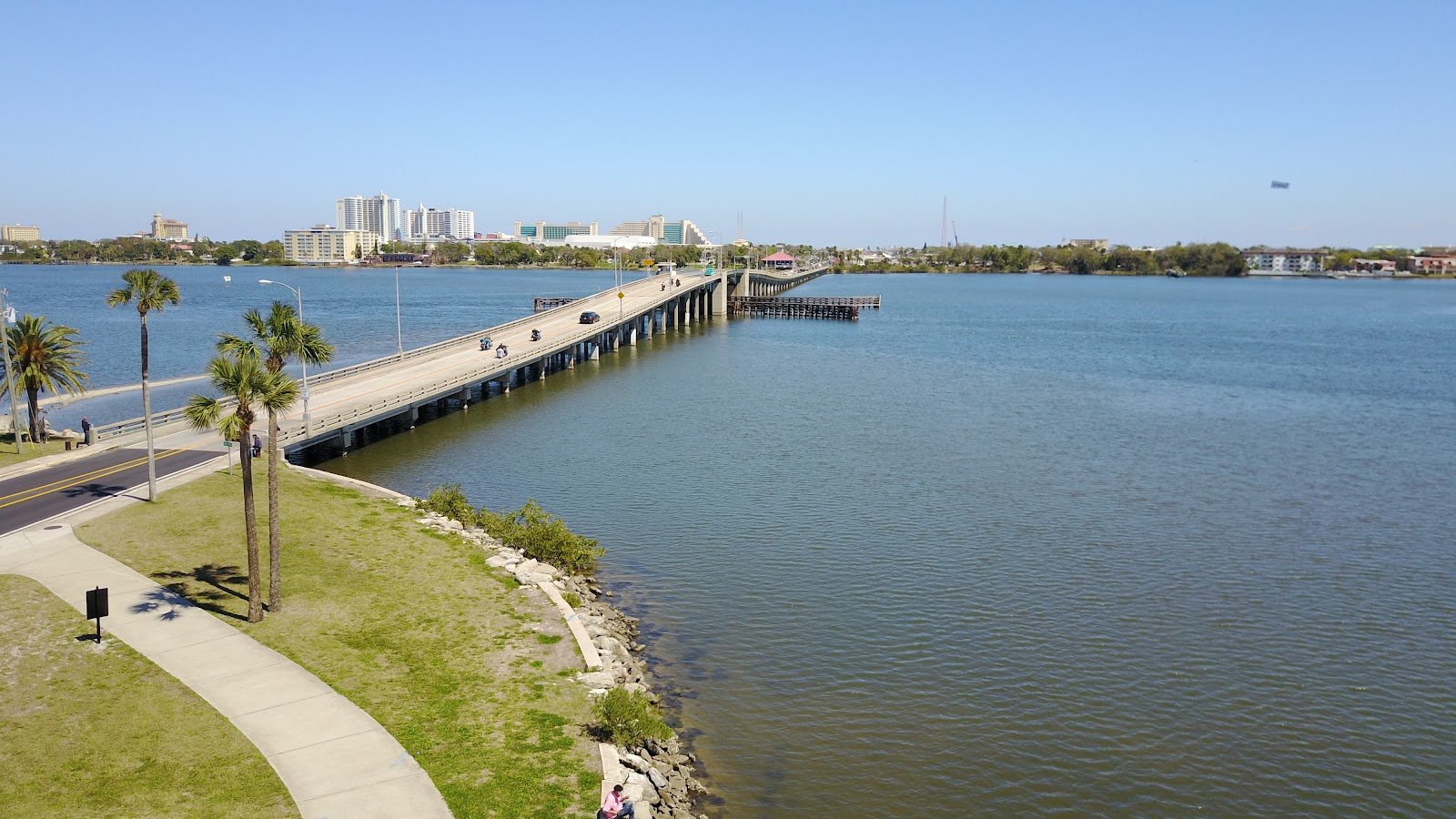
By the second weekend, Main Street smells like exhaust, beer, and sunscreen in roughly that order, and the conversation at every red light is the same: someone is telling someone else what their bike weighs. Daytona Bike Week is not a festival so much as a 10-day occupation of a coastal city by half a million people who would rather be on two wheels than four. The rumble starts before sunrise on the causeway and doesn't really stop until the last vendor packs up in mid-March.
The 2027 edition lands at a moment when the rally is quietly recalibrating. Younger riders, more women, more adventure and electric bikes mixed in with the Harleys that still dominate the parking rows. The Speedway program remains the anchor — flat track, Supercross, the 200 — and Main Street stays loud, but the weekday lulls have become the best time to actually see anything. If you've been before, you already know to plan around the noise. If you haven't, read on.
What it is
Bike Week started in 1937 as a race weekend and grew, over eight decades, into one of the largest motorcycle rallies in the country. It is run loosely — not a single ticketed event but a constellation of vendor villages, bar takeovers, sanctioned races at Daytona International Speedway, swap meets, and impromptu parking-lot gatherings spread across Volusia County. The official organizers handle a few core programs; everything else is the city of Daytona Beach giving the rally room to be itself.
Who shows up: lifers in patches, weekend riders on rentals, race fans, vendors selling leather and chrome and questionable t-shirts, a steady contingent of curious non-riders, and a small army of police on overtime. Expect crowds that thicken to a wall on the middle weekend, hotel rates that double or triple, and a hype-to-substance ratio that depends entirely on where you stand. Main Street at peak is a costume parade. The Speedway paddock and the back roads west of I-95 are where the substance lives.
When and where
The 2027 rally runs [early March 2027, dates TBD] across roughly 10 days, anchored by the two weekends that bracket Daytona 200 race weekend. The main stages are Main Street and Beach Street downtown, Daytona International Speedway just west of the beach, the Iron Horse Saloon up in Ormond Beach, and Destination Daytona in Ormond. Riders fan out daily on the loops to Flagler Beach, DeLand, and the St. Johns River backroads.
Neighborhoods that feel it most: the beachside grid from Seabreeze south through Main Street, the Speedway corridor along International Speedway Boulevard, and the U.S. 1 stretch through Ormond. If you live or stay in any of those, plan for noise from roughly 8 a.m. to well past midnight.
Getting there
Daytona Beach International is the closest airport, but Orlando and Jacksonville are often cheaper and the drive is manageable. If you're riding in, the trailer lots at the Speedway and along Bill France Boulevard are the most reliable; downtown garages fill by mid-morning and street parking near Main turns predatory with tow trucks by the weekend.
For non-riders, ride-share is workable but surge pricing during peak hours is brutal — expect designated pickup zones at the Speedway, Ocean Center, and the Boardwalk, and walk a few blocks off Main Street if you want a car to actually reach you. Votran runs extended bus service during the rally and a dedicated trolley loop along A1A that locals use more than visitors realize.
Where to eat
The food landscape during Bike Week splits into three honest categories. Beachside, the Seabreeze and Main Street corridors lean toward bar food built for volume — fine in a pinch, rough on a slow kitchen night. Across the Halifax River, the Beach Street and Riverfront stretch downtown has the better sit-down rooms, including the slow-coffee and brunch spots that locals retreat to when the beachside gets unmanageable.
For anything resembling a real dinner, head north to the Ormond Beach side or south toward Port Orange's Dunlawton corridor, where the kitchens aren't cooking for a crowd of 200 a night and reservations still function as intended. Our directory below has the specific picks.
What locals actually do
A few things tourists miss:
- Ride Main Street once, in the evening, then never again. The actual scene moves to Iron Horse and Destination Daytona in Ormond by midweek, where the parking-lot bands are better and the beer lines are shorter.
- Weekday mornings at the Speedway — particularly Tuesday and Wednesday — are when you can actually walk the vendor expo and sit on a bike without elbowing through three layers of people.
- The good rides are inland. Loop west through DeLeon Springs, the Ocala forest backroads, or down through Bulow Plantation toward Flagler. The beach run on A1A is the cliché; the river roads are the reason to bring the bike.
- Skip the Boardwalk on the closing weekend unless you came specifically for the crowd. Bethune Point Park and the Granada approach are quieter spots to watch the bikes roll without standing in a wall of people.
If it's your first time
Wear closed-toe shoes and bring earplugs — both will matter more than you expect. Book lodging at least three months out or stay in DeLand or Port Orange and drive in; mid-rally walk-up rates are punishing. Arrive on a Monday or Tuesday rather than the opening Friday, give yourself a full day before going near Main Street, and budget cash for vendors who still wave off card readers.
Where to eat in Jacksonville
Reading a guide is one thing; pairing it with a meal makes the trip. Here are a few hand-picked spots in Jacksonville our editors send people to first.
- Mr. Gordo's Tacos and Cantina — Lakewood · Mexican Restaurants · ★ 4.9
- Starving Like Marvin — Downtown Jacksonville · Seafood Restaurants · ★ 4.6
- Primi Piatti — Riverside · Italian Restaurants · ★ 4.5
- La Takeria — Intracoastal West · Mexican Restaurants · ★ 4.9