The week before the Daytona 500, the speed limit on International Speedway Boulevard becomes theoretical. Haulers stage at the tunnel entrance, the infield fills with motorhomes that arrived Tuesday for a Sunday race, and the Hampton Inns from Ormond Beach to Port Orange post rates that would make a Miami Beach concierge blush. The city does not host the 500 so much as surrender to it for ten days.
The 2027 running is the 69th edition, and it lands at a moment when the Cup Series is leaning harder into its season-opener as a cultural event rather than a points race. Expect the usual pre-race spectacle, a deeper bench of celebrity grand marshals than the sport probably needs, and a field still adjusting to the latest Next Gen package. For Florida locals, the appeal has less to do with the leaderboard than with the fact that, for one weekend a year, a working beach town becomes the loudest place in the state.
What it is
The Daytona 500 has run since 1959, and the format is famously simple: 200 laps, 500 miles, a 2.5-mile high-banked tri-oval, and a restrictor-plate package that bunches the field into three-wide packs at 190 mph. The result is a race that rewards patience and punishes it in equal measure. Drivers can lead 180 laps and finish 27th because someone two cars back sneezed in turn three.
Who shows up is more interesting than the racing purists will admit. You get the lifers in fire suits embroidered with the names of drivers who retired during the Bush administration, the corporate hospitality crowd flown in from Charlotte, and a growing contingent of curious first-timers who watched a Netflix doc and wanted to see what 40 stock cars actually sound like. The hype-to-substance ratio is honest: this is a long day, the racing is genuinely good for stretches, and the rest is pageantry. Tickets, parking, lodging — all of it is priced for what it is, which is the sport's marquee weekend. Budget accordingly.
When and where
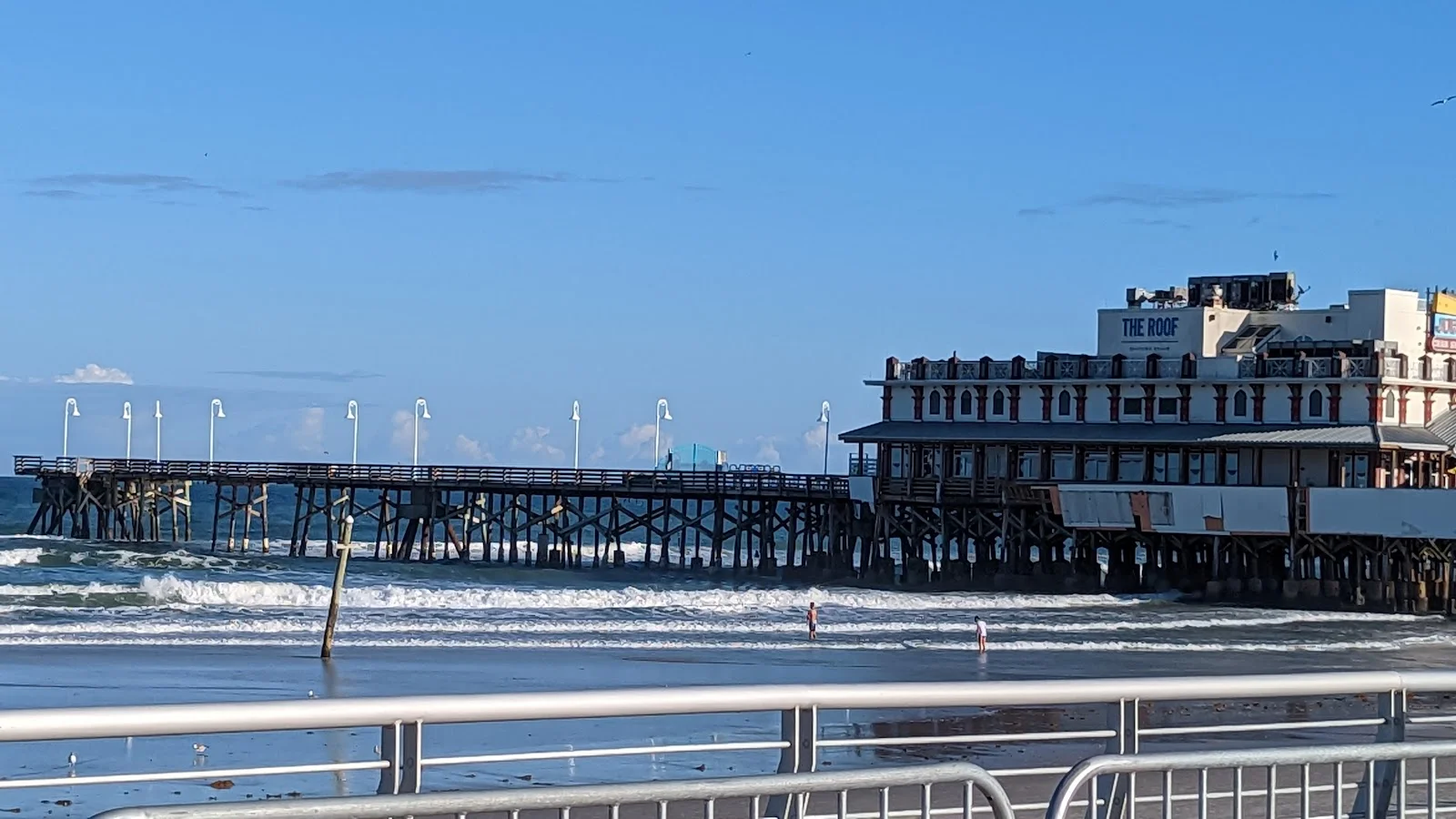
The 2027 Daytona 500 is scheduled for [mid-to-late February 2027, exact date TBD], with Speedweeks events — the Clash, the Duels, the Xfinity and Truck races — running across the preceding ten days. Everything centers on Daytona International Speedway at 1801 West International Speedway Boulevard, with overflow energy spilling into the Beach Street corridor downtown, the Main Street pier area, and the motel strip along A1A from Daytona Beach Shores up through Ormond.
If you live on the barrier island, plan your week around the bridges. Seabreeze, Main Street, and Granada all see backups starting Thursday and never really clear until Monday morning.
Getting there
The Speedway sells its own parking in color-coded lots, and the closer-in ones (Lots 1 through 4) sell out months in advance. The realistic options for day-of are the satellite lots off LPGA Boulevard and Bill France Boulevard, with shuttle service running into the property. Cash-only is still common in the unofficial lots that pop up on residential lawns along Williamson — bring small bills if that's your move.
Rideshare has a designated pickup-dropoff zone on the south side of the property, accessed off Midway Avenue. Use it. Drivers who try to be clever and request a pin somewhere on ISB will sit in queue traffic for an hour. Votran runs supplemental bus service on race day from downtown and from the Volusia Mall park-and-ride; it's slower than driving but eliminates the parking question entirely.
Where to eat
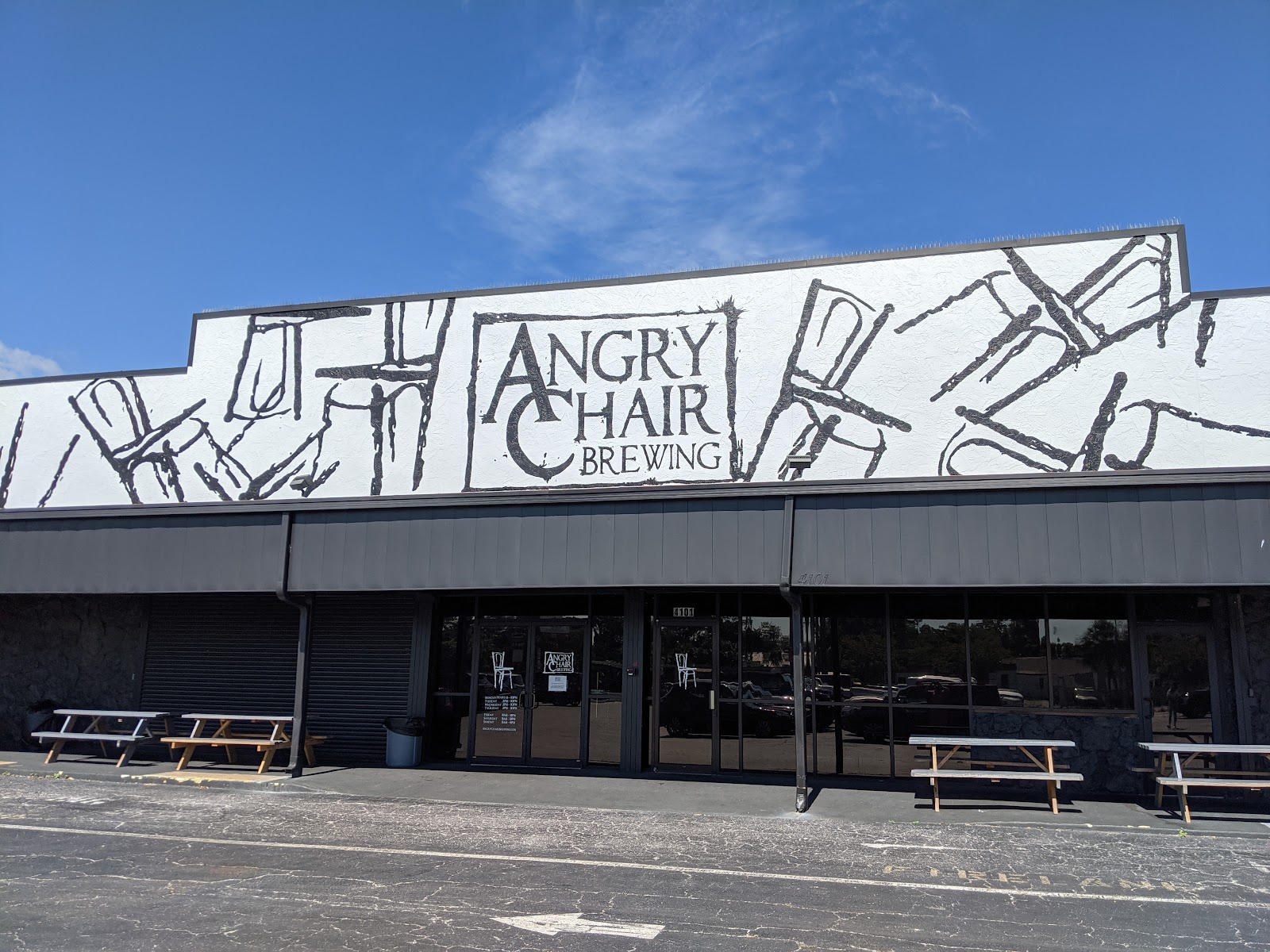
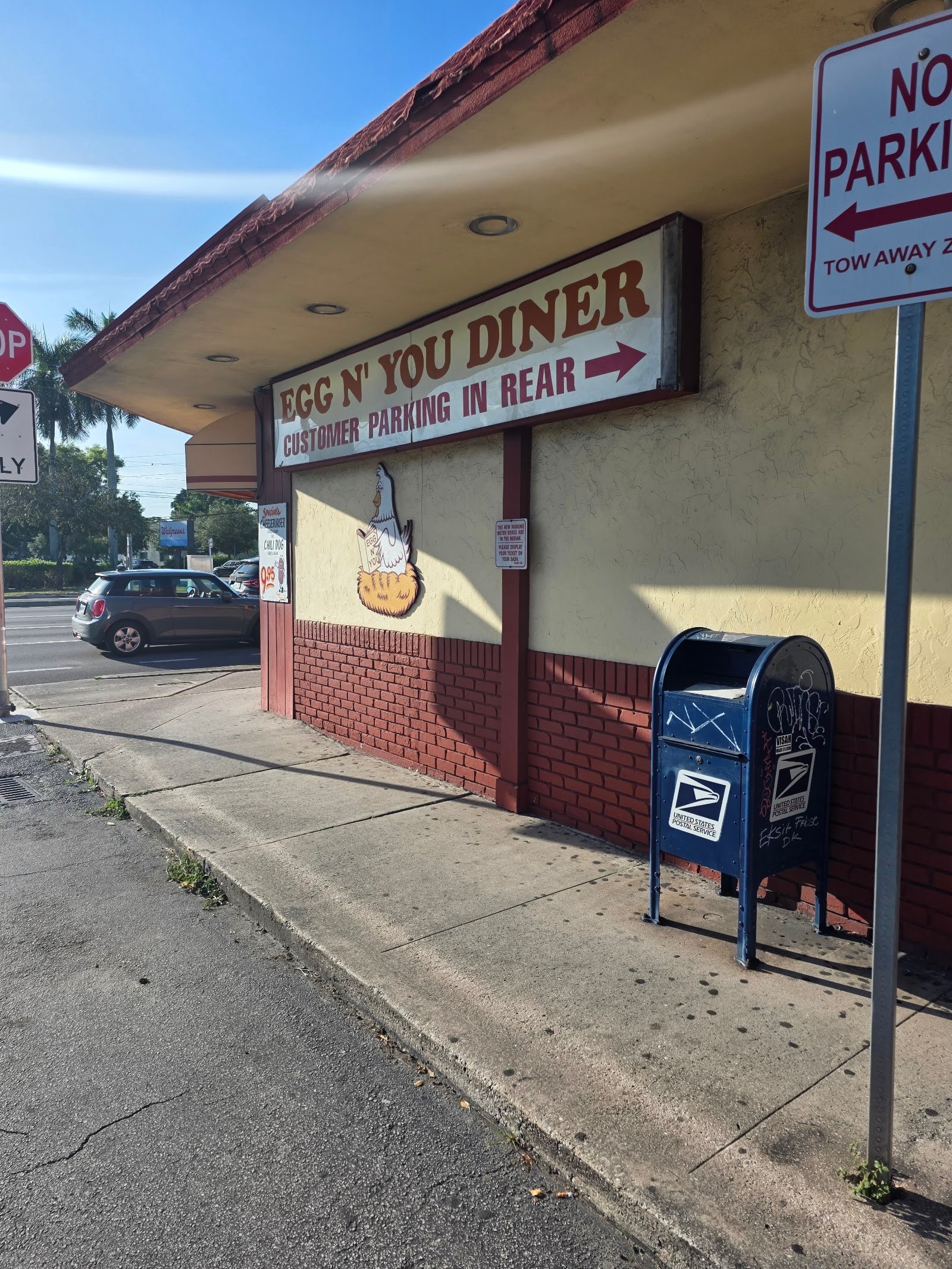
The food landscape around the Speedway itself is what you'd expect from a stadium district: wing chains, sports bars, and a handful of holdouts doing actual cooking. The better strategy is to eat outside the immediate ISB footprint. The Beach Street corridor downtown has the densest cluster of independents — a few solid breakfast spots, a couple of Latin kitchens, and a brewery or two within walking distance of each other.
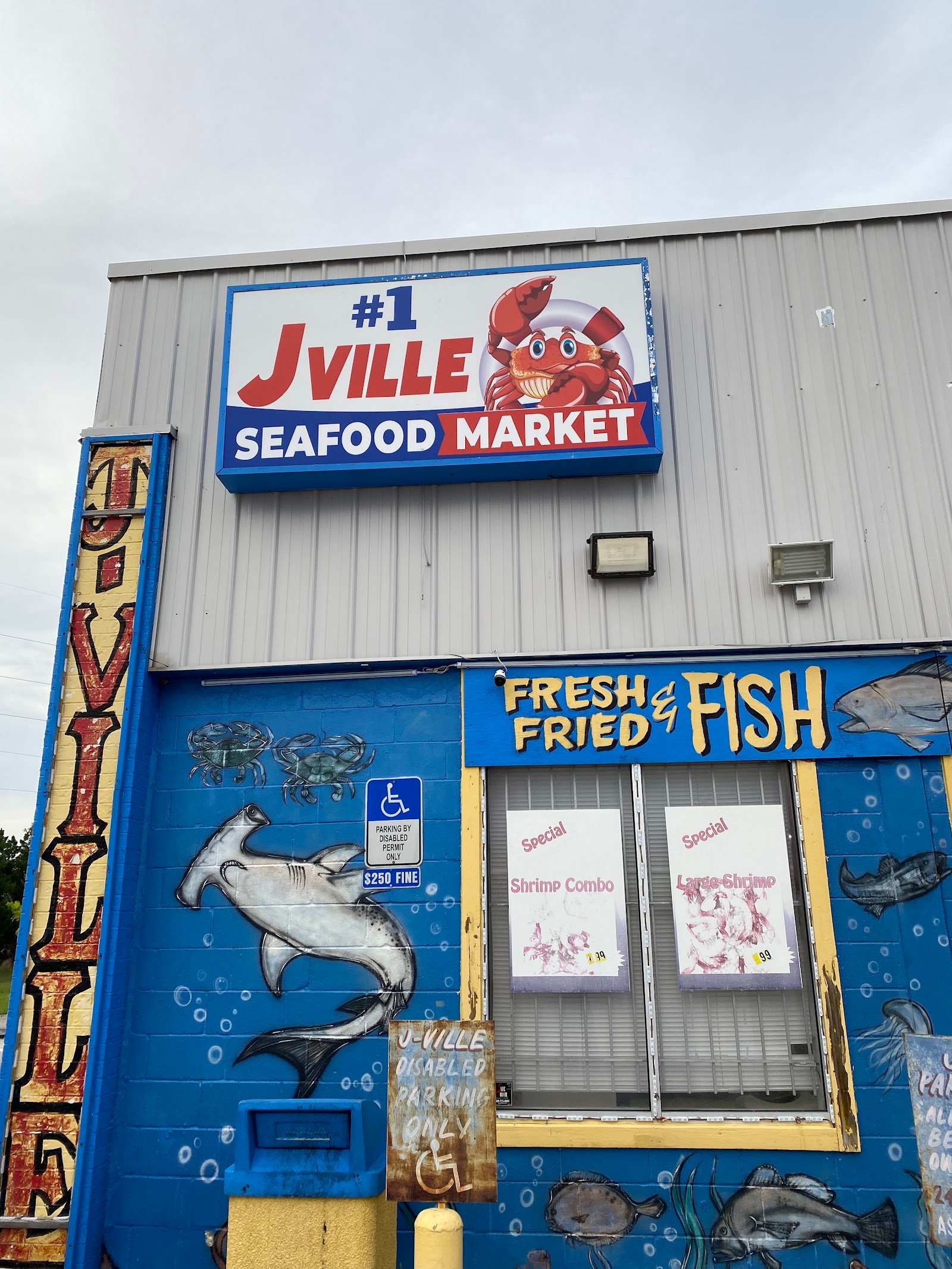
For dinner away from the race crowd, the Ormond Beach side of the Granada bridge is where locals retreat, with a quieter strip of seafood houses and neighborhood Italian rooms. The Port Orange/Dunlawton area south of the Speedway is the third option — less charming, but stocked with the kind of unpretentious fish camps and barbecue joints that have been there since long before NASCAR was a television product.
What locals actually do
A few things the tourists miss:
- Skip the Friday Xfinity race if you have to choose; the Thursday Duels are shorter, cheaper, and the qualifying drama is genuinely better racing.
- The Fan Zone opens hours before the green flag and is where drivers actually walk through. Get there at gate-open, not at noon.
- Pack out and eat at the fish camps on the Halifax — Tomoka Basin and the Granada-area docks — before heading to the track. The Speedway concessions are what they are.
- Locals watch the start from the backstretch grandstands, not the frontstretch. Lower price, better view of the pack racing into turn three.
- If traffic on ISB looks impossible post-race, drive away from I-95 first — head east toward Nova, then cut south. It adds ten minutes and saves an hour.
If it's your first time
Wear closed-toe shoes, bring earplugs (the foam ones from a hardware store are fine, and the sound is louder than you're picturing), and apply sunscreen before you think you need it — the grandstands face south and there is no shade. Arrive by 10 a.m. for a 2:30 green flag; the pre-race ceremonies are part of the experience, not filler. Bring a clear bag, a refillable water bottle, and cash for the lots.
Where to eat in Jacksonville
Reading a guide is one thing; pairing it with a meal makes the trip. Here are a few hand-picked spots in Jacksonville our editors send people to first.
- Mr. Gordo's Tacos and Cantina — Lakewood · Mexican Restaurants · ★ 4.9
- Starving Like Marvin — Downtown Jacksonville · Seafood Restaurants · ★ 4.6
- Primi Piatti — Riverside · Italian Restaurants · ★ 4.5
- La Takeria — Intracoastal West · Mexican Restaurants · ★ 4.9