By the time you hit the corner of McFarlane and Main Highway on the Saturday of Presidents Day weekend, the festival has already absorbed Coconut Grove whole. Tents stretch from the bayfront up through the village, the smell of arepas competes with kettle corn, and a woman in linen is negotiating shipping costs on a six-foot abstract canvas she did not plan to buy that morning. This is the oldest outdoor art festival in Florida, and after sixty-plus years it has settled into a rhythm somewhere between serious collector fair and very large block party.
The 2027 edition lands at an interesting moment for the Grove. The neighborhood has spent the last several years rebuilding its commercial core, and the festival now threads through a district that finally has somewhere to walk to before and after. If you have skipped it in the past because the crowds felt punishing or the work felt safe, this is a reasonable year to give it another look — the jury has trended sharper, and the satellite programming has caught up.
What it is
The Coconut Grove Arts Festival began in the early 1960s as a sidewalk show run by a handful of local gallerists and has grown, slowly and then quickly, into a juried three-day event that draws hundreds of artists from across the country and abroad. Painting and sculpture still dominate, but the glass, ceramics, and digital-media booths have become the more interesting corners in recent years. Acceptance is competitive; the same artists do not coast in year after year, which is why the work has not calcified the way it has at some other long-running Florida fairs.
The crowd is a particular Miami mix — Grove residents in their seventh decade of attendance, Brickell couples treating it as a date, collectors from Palm Beach making a day trip, and a steady undertow of out-of-towners who heard about it from someone. Tickets are not free, which keeps the casual foot traffic in check, but on Saturday afternoon the main artery still moves at the pace of a slow shuffle.
Honest assessment: the festival is expensive once you factor in admission, parking, food, and the actual art, and a meaningful percentage of booths sell the same coastal-abstract and torch-cut steel work you have seen at every other regional fair. The other percentage is genuinely worth the trip. Knowing how to find it is the entire skill.
When and where
The 2027 festival runs Presidents Day weekend — [mid-February 2027, dates TBD], Saturday through Monday. The footprint covers South Bayshore Drive, McFarlane Road, and stretches into the village along Main Highway and Grand Avenue. Expect road closures from Thursday evening through Tuesday morning, with the heaviest disruption around Peacock Park and Regatta Park on the bayfront side.
Center Grove residents lose street access for the duration. Anyone living south of Tigertail or east of Mary Street should plan to walk or wait.
Getting there
Driving in is the wrong choice. The garages at CocoWalk and the surrounding decks fill before noon every day of the festival, and street parking in the residential blocks is aggressively ticketed during the closure. The Metrorail to Coconut Grove station plus the free Grove trolley is the cleanest approach if you are coming from anywhere north — the trolley loops the village in about twenty minutes and runs later than most people realize.
Rideshare is workable but pricey, and the designated drop-off zones get gridlocked in the early afternoon. If you must use one, get dropped at Kenneth Myers Park and walk in from the north — you avoid the worst of the bayfront snarl and you enter the festival in a less aggressive section of booths.
Where to eat
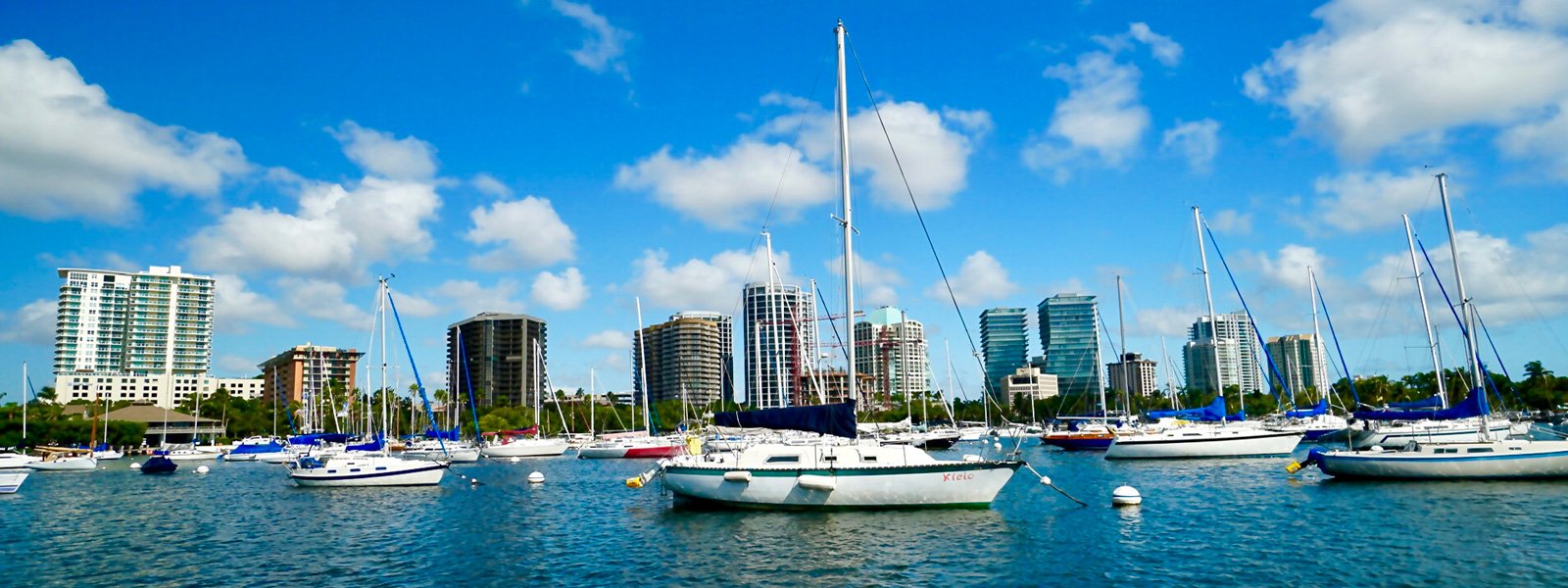
The food trucks inside the festival are fine, but eating there is a tactical mistake — you pay festival prices for festival lines. The Grove village proper, a five-minute walk from the main gate, has rebuilt its dining scene enough that there is no reason to stand in a line for a lobster roll. Push further into the corridor along Commodore Plaza for the small-plates and cocktail-bar cluster, or walk the few blocks toward the bayfront strip for waterfront seating that opens up after 3 PM.
If you are willing to drive after, Coral Gables and the lower Brickell stretch are both fifteen minutes out and absorb the post-festival overflow well. Our directory covers the worthwhile options in each.
What locals actually do
Locals do not show up Saturday at noon. They come Monday morning, when the crowds thin, the artists are more willing to talk, and the prices on larger pieces become genuinely negotiable. The booths along the bayfront draw the heaviest tourist traffic, but the inland rows along McFarlane tend to house the more serious work — the artists who did not need the bayfront sightline to sell.
The other open secret: the unaffiliated gallery shows that pop up across the Grove during festival weekend are often where the regional collectors actually spend. Watch for openings on Grand Avenue and in the converted spaces along Florida Avenue. Several Wynwood and Little River galleries also host parallel programming the same weekend, and a thirty-minute drive north on Sunday afternoon gets you to work the festival jury would never accept.
If it's your first time
Wear shoes you can stand in for six hours and bring a hat — the bayfront stretch has no shade. Arrive by 10 AM on Sunday or wait until Monday after lunch; the Saturday afternoon window is the worst possible time to attempt this. Bring a tote, cash for the smaller booths, and a rough budget, because the festival is built to extract more than you planned.