The tell isn't the fair itself. It's the week before, when the Design District's gallery staff start sleeping at their installations and the Edition Hotel's lobby becomes a de facto European art-world reunion. By the time Thursday's VIP preview rolls around, the city has already absorbed three flights' worth of Berlin gallerists, half of Mexico City's collector class, and a press corps roughly the size of a small university. Miami doesn't host Art Basel so much as get colonized by it for ten days.
The 2026 edition lands at an interesting moment. The fair has been quietly recalibrating since the 2023 contraction in the mid-market, with more emphasis on emerging galleries and a noticeable shift toward Latin American programming. If you've been waiting for a year where the satellite scene matters more than the main floor, this is probably it.
What it is
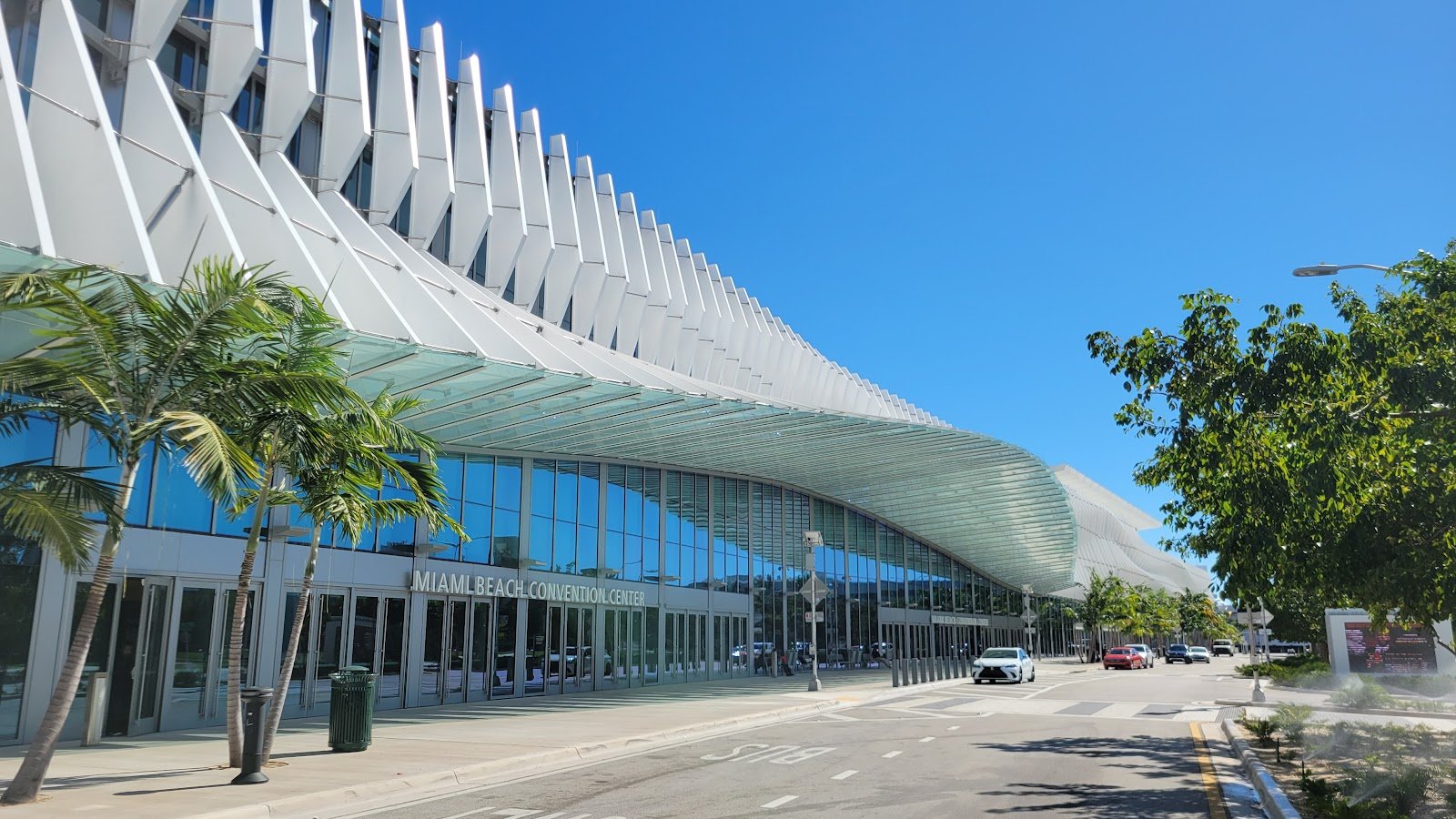
Art Basel Miami Beach launched in 2002 as the American sibling to the Swiss original, and within five years had remade the city's cultural reputation. The format is straightforward: roughly 280 galleries from forty-something countries set up booths at the Miami Beach Convention Center for five days, with VIP previews on the front end and a public stretch on the back. Around it, a constellation of satellite fairs — NADA, Untitled, Design Miami, and a half-dozen smaller ones — set up in tents, hotels, and warehouses across the city.
Who shows up: gallerists, collectors with serious money, museum acquisition committees, the kind of art advisor whose phone never stops, working artists, plus a much larger contingent of people who came for the parties and stayed for the Instagram. The crowds are real, the prices are real, and the hype-to-substance ratio is genuinely high at the main fair. The substance lives at the satellites and the off-program dinners.
Expect to spend money. A standard pass clears three figures, the better hotels triple their rates, and the dinners that matter are invite-only anyway. None of this is a secret.
When and where
Art Basel Miami Beach 2026 runs the first week of December [exact dates TBD]. The anchor is the Miami Beach Convention Center on 17th Street, but treating that as the event misses the point. Design Miami pitches its tent directly across Convention Center Drive. The satellite fairs spread across Wynwood, the Design District, and Mid-Beach. Edition openings and collector dinners stretch from South of Fifth up to Little Haiti.
Neighborhoods that get swallowed: South Beach below 23rd, all of the Design District, most of Wynwood, and the stretch of Biscayne around the Pérez Art Museum. Brickell and Coconut Grove stay relatively normal.
Getting there
Driving onto Miami Beach during fair week is a mistake unless you have a hotel valet waiting. Convention Center garages fill by ten in the morning and the surrounding meters are a parking-enforcement bloodbath. The smarter play is to stage on the mainland — park near a Metromover station or in a Wynwood lot — and ride-share across the causeway. The MacArthur is faster than the Julia Tuttle nine times out of ten.
The Beach Trolley runs free along Collins and Washington and is honestly the fastest way to move within South Beach during peak hours. Uber and Lyft both designate pickup zones at the Convention Center on the 19th Street side; don't try to get picked up on 17th — the queue is theatrical. For Wynwood and the Design District, the free Miami Trolley loops are slow but functional.
Where to eat
The food situation splits three ways during fair week. Sunset Harbor and the lower numbered streets of South Beach get the gallerist crowd — small, walk-in-difficult rooms that take their reservation books seriously. The Design District has the polish-and-power-lunch axis, where most of the deal-talking actually happens between sessions. Wynwood is where the after-hours energy lands: the warehouse-conversion restaurants along NW 2nd Avenue and the bar-forward spots tucked into the side streets stay loud until two.
A practical note: every reservation worth having on the Beach books out four weeks ahead for fair week. If you're flying in late, your best odds are the Design District around 3 PM or anywhere in Little Haiti, which the fair crowd hasn't fully discovered.
What locals actually do
The main fair on Thursday VIP day is for people who need to be seen there. Locals go Saturday morning, when the crowds thin, the gallerists are tired enough to talk honestly, and you can actually look at the work. NADA and Untitled get more local respect than the main fair — that's where the gallery directors go on their day off.
Skip the headliner parties. The ones with the corporate sponsor and the line down the block are not where anything is happening. The dinners that matter are at private homes in Morningside and on the islands, and they're not getting posted. What you can do: hit the gallery openings in the Design District on Tuesday and Wednesday nights, which are free, walkable, and usually have the artist actually present.
One more thing locals know: Sunday afternoon, after the fair closes, is the best day of the year to be on the Beach. The crowds vanish in a single morning and the weather is generally perfect.
If it's your first time
Wear comfortable shoes you can stand in for six hours and clothes you don't mind sweating through — the Convention Center runs warm and the walking adds up. Bring a refillable water bottle, a portable charger, and a notes app you actually use; you will not remember the gallery names later. Arrive Wednesday if you can, leave Monday, and budget at least one full day for the satellites — that's where the year's discoveries get made.
Where to eat in Miami
Reading a guide is one thing; pairing it with a meal makes the trip. Here are a few hand-picked spots in Miami our editors send people to first.
- Yes Chef 305 — Midtown · Mexican Restaurants · ★ 5.0
- ConSentido Miami — Brickell · Asian Restaurants · ★ 4.8
- Lady Savage Tacos — Wynwood · Mexican Restaurants · ★ 5.0
- Taqueria Las Michoacanas 2 — Little Havana · Mexican Restaurants · ★ 5.0